
Knowledge & Innovation
Orthopedic Device Insights & Industry News
Explore technical articles, regulatory clearance strategies, design trends, and manufacturing innovations from Rebellion Solutions.
Blog
What Are the Best Orthopedic Contract Manufacturers in 2026?
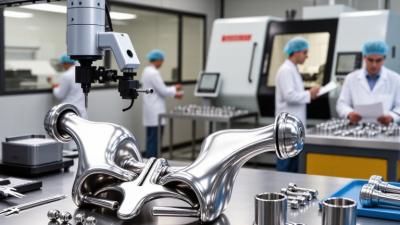
Choosing an orthopedic contract manufacturer is not simply a search for the lowest quoted price. It is a decision about precision, process control, and whether a partner can support a device from prototype through production. A titanium implant may require complex machining, while an instrument set depends on consistent tolerances, surface finish, and reliable assembly. Small process differences can matter.
Quality pioneer Joseph M. Juran defined quality as “fitness for use.” That idea is especially relevant to Orthopedic Contract Manufacturing: a capable supplier must meet technical requirements and perform reliably in its intended clinical context. Buyers should examine engineering support, material traceability, validation practices, inspection capabilities, and experience with comparable devices. A polished presentation is not enough. Ask how the manufacturer handles design changes, nonconforming parts, and production scale-up.
The “best” partner depends on your product, risk profile, and timeline. Some manufacturers excel at implants; others may be stronger in instruments, sterilization coordination, or finished-device assembly. Details matter. This guide compares leading options through practical criteria, including manufacturing breadth, quality systems, communication, and room for growth. No ranking can replace direct diligence. Even a strong supplier may not fit every program, and public information can leave gaps. Use the comparisons as a starting point, then verify capabilities, documentation, and references before making a decision.
Read more »
 By:Isabella
- October 29, 2026
China Best CNC Grinding for Surgical Instruments Suppliers?
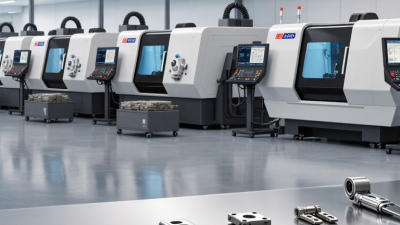
Choosing China’s best CNC Grinding for Surgical Instruments supplier requires more than comparing prices or viewing polished factory photographs. Surgical components demand repeatable geometry, controlled surface finish, clean production areas, and complete inspection records. A supplier may display advanced five-axis grinders, yet still lack stable process control across thousands of parts. That difference matters.
Stephen Malkin, a respected grinding researcher and author of Grinding Technology, stated, “Grinding is a complex process involving the interaction of a large number of abrasive grains with the workpiece.” His observation explains why supplier evaluation must examine wheel selection, coolant management, dressing methods, and material behavior. These details influence cutting edges, hinge surfaces, and narrow instrument tips. A reliable manufacturer should also provide equipment information, operator qualifications, calibration evidence, and traceable inspection reports.
The strongest China suppliers usually combine CNC automation with experienced process engineers. Look for in-process measurement, controlled burr removal, and documented corrective actions. Ask how they manage stainless steel grades, titanium alloys, and heat-treated components. Request sample parts with measurable specifications, not only visual approval. However, no supplier is perfect. Even a capable factory may face wheel wear, thermal distortion, or inconsistent incoming material. Honest communication about these weaknesses can be more valuable than exaggerated promises.
This article outline reviews supplier capabilities, quality systems, machining accuracy, communication practices, and total purchasing risk. It also considers lead times, prototype support, packaging, and long-term cooperation. The goal is practical judgment. Not marketing language. A suitable partner should prove performance with evidence, repeatability, and clear accountability before production begins.
Read more »
 By:Charlotte
- October 24, 2026
2026 How to Choose Orthopedic Prototype Manufacturing?
Choosing an Orthopedic Prototype Manufacturing partner in 2026 requires more than comparing equipment lists. It requires evidence, communication, and clinical awareness.
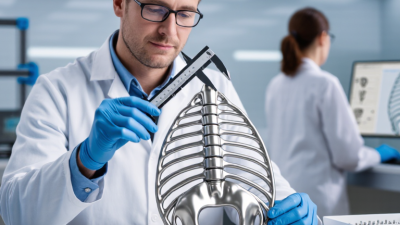
A reliable manufacturer should understand anatomy, mechanical loading, implant materials, and design verification. They should also explain how prototypes move from CAD files to inspected physical parts. Ask about machining, additive manufacturing, surface finishing, dimensional inspection, and material traceability. Small details matter. A rough edge can distort a fit test. An undocumented material change can weaken confidence in later results.
Biomedical engineer Scott Hollister has said, “The ultimate goal is to create a living, functional replacement for tissues and organs.” This perspective reminds teams that orthopedic prototypes are not merely attractive models. They support decisions about comfort, fixation, strength, and patient safety.
Look for suppliers familiar with design controls, risk management, and quality systems such as ISO 13485. Their experience should include patient-specific geometry, CT-derived models, anatomical testing, and controlled revision histories. Ask to review inspection reports, sample documentation, and previous project workflows. A confident answer is useful. A measurable answer is better.
Do not select a vendor only because the first sample looks perfect. It may conceal weak process control. Prototype success depends on repeatability, not appearance alone. Sometimes, the early design is wrong. That is normal.
The strongest partner will challenge unclear tolerances, identify manufacturability risks, and recommend practical testing steps. They will also admit limitations. That honesty is valuable.
This guide explains how to evaluate Orthopedic Prototype Manufacturing capabilities, technical credibility, communication habits, and long-term development support before making a decision.
Read more »
By:Charlotte
- October 19, 2026

What Are the Top Custom Surgical Instrument Manufacturers Worldwide?
Choosing the world’s leading custom surgical instrument manufacturers requires more than comparing glossy catalogues. It requires evidence. This introduction examines companies that design, prototype, machine, finish, and validate instruments for demanding clinical environments. The focus is Custom Surgical Instrument Manufacturing, where a few millimeters can affect grip, access, balance, and surgical control.
The strongest manufacturers usually demonstrate repeatable quality systems, skilled engineers, traceable materials, and disciplined inspection processes. They also listen carefully to surgeons. A retractor may need a smoother edge, a lighter handle, or a locking mechanism that works through a wet glove. Small details matter. Dr. Atul Gawande, a surgeon and healthcare quality authority, wrote, “We have trained in medicine to be very good at what we do, but not at how we work together.” His observation also applies to instrument development, because successful customization depends on surgeons, engineers, machinists, and quality teams working as one system.
This guide considers technical capability, regulatory readiness, communication, production flexibility, and experience with complex instrument programs. It also looks beyond marketing claims. A manufacturer may offer excellent machining but weak clinical collaboration. Another may provide thoughtful prototypes yet struggle with global scale. No ranking is perfectly objective. Supplier capabilities change, and public information can remain incomplete. That limitation deserves attention. Readers should verify certifications, sample quality, lead times, sterilization compatibility, and post-delivery support before making a decision. The best partner is not always the largest factory. It is the one that consistently converts clinical needs into safe, practical, and manufacturable instruments.
Read more »
By:Isabella
- October 14, 2026

Best China Medical Device 510k Clearance Consulting?
Choosing the Best China Medical Device 510k Clearance Consulting partner requires more than comparing service fees. It requires regulatory judgment, device-specific experience, and clear communication with overseas manufacturers. A reliable consultant should understand intended use, technological characteristics, performance testing, labeling, quality systems, and FDA review expectations. Small gaps can create large delays.
Dr. Jeffrey Shuren, former director of the FDA’s Center for Devices and Radiological Health, has described the 510(k) pathway as a process that determines whether a device is “substantially equivalent” to a legally marketed predicate device. That phrase carries practical weight. It does not mean that two products merely look alike. Their safety, effectiveness, materials, software, accessories, and clinical functions may all require careful comparison. The strongest Medical Device 510k Clearance Consulting teams translate these details into a coherent submission strategy.
Experience matters here. A consultant who has reviewed Chinese manufacturing records can identify missing test reports, inconsistent translations, or unclear device descriptions before submission. That can protect time and credibility. Still, no consultant can guarantee FDA clearance. Anyone making that promise deserves careful questioning. The process remains evidence-driven and sometimes unpredictable.
This guide examines consultant qualifications, technical review methods, submission planning, communication standards, and post-submission support. It also considers an uncomfortable issue: a lower fee may hide costly rework. The best partner is not always the most visible one. It is the team that explains risks plainly, documents decisions, and stays accountable when the first strategy needs revision.
Read more »
By:Charlotte
- October 9, 2026

2026 Top Orthopedic Biologics Product Development Trends?
Orthopedic Biologics Product Development is entering a more disciplined phase in 2026. Aging populations, sports injuries, and revision procedures continue to increase demand for biologic solutions. The World Health Organization estimates that one in six people worldwide will be aged 60 or older by 2030. This demographic shift creates a larger patient pool for bone graft substitutes, platelet-based products, cellular therapies, and tissue-engineered implants.
Market forecasts also signal sustained commercial interest. Grand View Research and MarketsandMarkets reports describe continued growth across orthopedic biomaterials, bone grafts, and regenerative medicine segments. However, their market boundaries differ. Direct comparisons can therefore mislead. Evidence remains uneven. Clinical adoption depends less on promotional claims and more on reproducible manufacturing, meaningful endpoints, and long-term follow-up.
Regulatory expectations will shape product pipelines. The U.S. Food and Drug Administration continues emphasizing characterization, donor screening, sterility, potency, and risk-based clinical evidence for human cell and tissue products. Developers are increasingly connecting biomarker data with imaging, gait analysis, and patient-reported outcomes. A scaffold may look impressive in a laboratory photograph. The patient still needs durable pain relief and functional recovery.
In 2026, leading programs will likely prioritize standardized raw materials, scalable manufacturing, digital trial monitoring, and clearer patient selection. Hospital partnerships will matter. So will transparent evidence. The industry may overestimate how quickly complex cell therapies can reach routine orthopedic practice. That is worth challenging. According to AAOS publications and recent regenerative medicine reviews, unanswered questions remain around durability, comparative effectiveness, reimbursement, and real-world safety. These gaps should guide the next generation of orthopedic biologics rather than delay it.
Read more »
By:Isabella
- October 4, 2026
Why Orthopedic Trauma Implant Design Matters to Buyers?
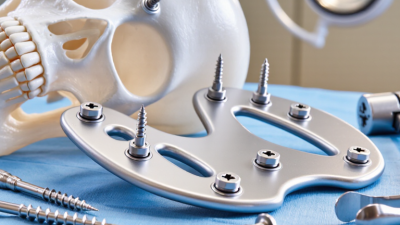
Orthopedic Trauma Implant Design matters because a fracture is not an abstract engineering problem. It is a broken bone, swollen tissue, and a patient who needs stable fixation without unnecessary complications. For buyers, design choices affect more than the implant’s shape. Plate contour, screw direction, instrument access, and compatibility with imaging can influence surgical workflow and clinical use. A system that looks efficient in a catalog may feel different in a crowded operating room.
Orthopedic trauma surgeon Dr. Peter Kloen is a recognized specialist in fracture care. Without a verifiable source for a direct quotation from him on implant design, it would be unreliable to present invented words as his. His clinical perspective can be fairly paraphrased: implant selection should fit the fracture pattern and the patient, not simply the product specification. That distinction matters. A low-profile plate may help in one anatomical location, while another case demands different fixation options. Buyers should examine evidence, material quality, instrument usability, and the range of sizes available. They should also ask how the design performs across varied fracture patterns, rather than relying on a single demonstration.
Details count. A screw that is difficult to place can add pressure during surgery. A poorly organized tray can slow the team. Still, design alone cannot guarantee an outcome; surgeon judgment, patient factors, and appropriate training remain essential. Buyers deserve clear evidence—and room to question polished claims.
Read more »
By:Isabella
- September 29, 2026
China Top Total Joint Replacement Engineering Suppliers in China
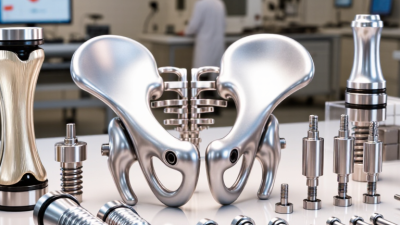
China’s role in joint replacement is expanding as demand rises and manufacturing capabilities mature. The World Health Organization reported that 528 million people worldwide lived with osteoarthritis in 2019; 365 million had knee osteoarthritis. These figures point to sustained clinical need, though they do not translate directly into implant sales or surgical volumes. The distinction matters.
For buyers evaluating China’s top suppliers, Total Joint Replacement Engineering involves more than producing a metal implant. It spans design, material selection, precision machining, surface finishing, inspection, and dependable production records. The International Organization for Standardization’s ISO 13485 framework provides a recognized quality-management reference for medical-device manufacturers. Certification can be useful, but it does not replace product-specific evidence or independent due diligence.
Look closely at the details. Ask how suppliers control dimensional tolerances, trace materials, validate processes, and manage design changes. Review relevant registrations, test documentation, and the scope of each facility’s quality system. China has capable engineering and manufacturing firms, but supplier maturity varies. A polished brochure is not proof. Nor is a low quotation. Public information may also be incomplete, so comparisons should state their limits rather than imply certainty. This overview introduces the supplier landscape through those practical considerations, while recognizing that clinical suitability and regulatory requirements depend on the intended market and application.
Read more »
 By:Sophie
- September 24, 2026

What Is Sports Medicine Device Manufacturing?
Sports Medicine Device Manufacturing is the disciplined process behind the tools used to prevent, diagnose, repair, and rehabilitate sports-related injuries. It includes arthroscopy systems, fixation anchors, surgical instruments, braces, supports, and rehabilitation equipment. A finished device may begin as a digital design, then pass through precision machining, injection molding, surface treatment, sterilization, and packaging. Each stage demands documented controls. One small burr on an implant can affect tissue safety, surgical handling, and patient recovery.
The need is substantial. The World Health Organization reported that musculoskeletal conditions affect approximately 1.71 billion people worldwide. Not all cases involve sports, but the figure shows the scale of movement-related health problems. Fortune Business Insights estimated the global sports medicine market at about USD 9.55 billion in 2023, with further growth projected through 2032. These market figures vary because analysts define “sports medicine” differently. That limitation matters.
Manufacturers must therefore connect commercial demand with clinical evidence and regulatory discipline. Design controls, biocompatibility testing, risk management, supplier qualification, and traceability are central practices. FDA guidance and ISO 13485 principles support this quality-focused approach. However, compliance alone does not prove that a device performs well in a real operating room. Surgeons may handle instruments with wet gloves, limited visibility, and intense time pressure. Patients also differ in anatomy, activity level, and healing response. The manufacturing process must reflect those realities. It is highly technical, but not perfectly predictable. Strong companies keep reviewing failures, user feedback, and manufacturing data. That ongoing reflection makes Sports Medicine Device Manufacturing safer, more reliable, and clinically meaningful.
Read more »
By:Sophie
- September 19, 2026

Why is Surgical Instrument Engineering Essential for Medical Innovation?
Surgical Instrument Engineering is a cornerstone of medical innovation. The precision and reliability of surgical instruments directly impact patient outcomes. According to a report by Research and Markets, the global surgical instruments market is projected to reach $25.03 billion by 2026, growing at a CAGR of 6.4%. This robust growth highlights the critical role of innovative engineering practices in developing advanced surgical tools.
Innovations in this field enhance surgical procedures, reducing recovery times and improving success rates. For instance, minimally invasive techniques rely on meticulously engineered instruments. They not only minimize tissue damage but also lead to faster patient recovery. Furthermore, the integration of technology, like robotics and smart instruments, exemplifies the importance of engineering expertise. However, challenges remain. Safety concerns and manufacturing errors must not be overlooked.
Ultimately, Surgical Instrument Engineering is vital. It fosters innovation that bridges gaps in current healthcare solutions. As the industry evolves, continuous improvement and expert insights are essential. The stakes are high when it comes to patient safety and treatment efficacy.
Read more »
By:Sophie
- August 28, 2026
Why Choose Orthopedic Implant Design Services for Your Needs?
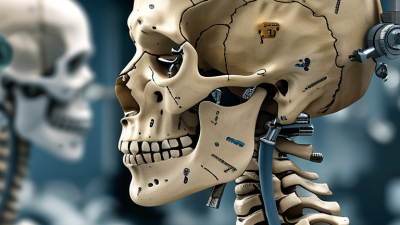
In the rapidly evolving field of orthopedic medicine, choosing specialized "Orthopedic Implant Design Services" is crucial. According to a 2023 report by Grand View Research, the global orthopedic implants market is expected to reach $73.5 billion by 2028. This growth underscores the importance of tailored implant designs that meet specific patient needs.
Dr. Emily Hart, a leading expert in orthopedic device engineering, emphasizes that “customized designs are not just beneficial; they are essential for improving patient outcomes.” Her insight highlights the pivotal role of expert-driven services in enhancing device functionality and patient comfort. The complexity of human anatomy demands that implant designs go beyond generic solutions.
While many healthcare providers focus on cost, overlooking the importance of quality can be detrimental. The right design services can considerably reduce operation times and enhance recovery. However, collaboration with experienced professionals can pose challenges, including communication gaps and understanding specific requirements. Recognizing these imperfections is vital for continuous improvement in orthopedic practices.
Read more »
By:Charlotte
- August 28, 2026
2026 Best Spine Implant Design Consulting Services Available?
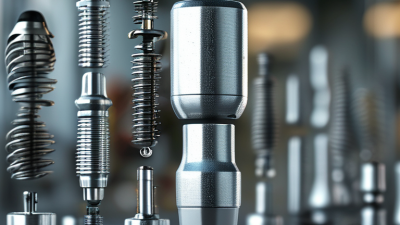
The demand for innovative spinal implants is increasing. According to a recent report by Grand View Research, the global spine implant market is projected to reach $17.73 billion by 2026. This trend emphasizes the necessity for specialized services. Spine Implant Design Consulting is essential in this evolving landscape.
These consulting services provide expertise in developing effective and safe spinal solutions. They guide companies through complex design processes, ensuring compliance with stringent medical standards. With the rise of personalized medicine, customization is becoming crucial. Companies must adapt to varying patient needs, which can be challenging. Effective consultation can streamline this process, enhancing product quality.
However, potential pitfalls exist. Not all consulting services prioritize quality and innovation. Businesses must choose wisely. A reliable Spine Implant Design Consulting service can make a significant difference. It can bridge gaps in knowledge, ensuring both regulatory compliance and market readiness. Investing in expert consulting not only enhances design but also builds trust in the competitive spinal implant market.
Read more »
By:Sophie
- August 28, 2026