
1. Executive Overview: The Paradigm Shift in Total Joint Replacement Engineering
In the modern orthopedic medical device industry, Total Joint Replacement Engineering represents the ultimate intersection of biomechanical physics, advanced materials science, high-precision CNC manufacturing, and stringent regulatory oversight. As global surgical volumes for Total Knee Arthroplasty (TKA), Total Hip Arthroplasty (THA), and Total Shoulder Arthroplasty (TSA) continue to climb—driven by aging populations, active lifestyles, and expanding access in emerging healthcare markets—medical device OEMs and procurement directors face unprecedented pressure. They must accelerate product launch cycles while simultaneously driving down COGS (Cost of Goods Sold) and mitigating supply chain risks.
The traditional product development model, characterized by fragmented handoffs between isolated CAD design firms, third-party contract machine shops, external regulatory consultancies, and independent sales forces, is fundamentally broken. Disconnects between implant geometry design and micro-inch grinding tolerances frequently result in catastrophic DFM (Design for Manufacturability) failures, budget overruns, and multi-year FDA 510(k) clearance delays.
Based in Warsaw, Indiana—the recognized Orthopedic Capital of the World—Rebellion Solutions redefines total joint replacement engineering by establishing a unified, vertically integrated framework. By combining clinically proven orthopedic implant design, state-of-the-art CNC precision grinding, additive porous titanium engineering, FDA regulatory consulting, and direct-to-surgeon commercial launch networks under one roof, we eliminate the structural friction that hinders medical device innovation.
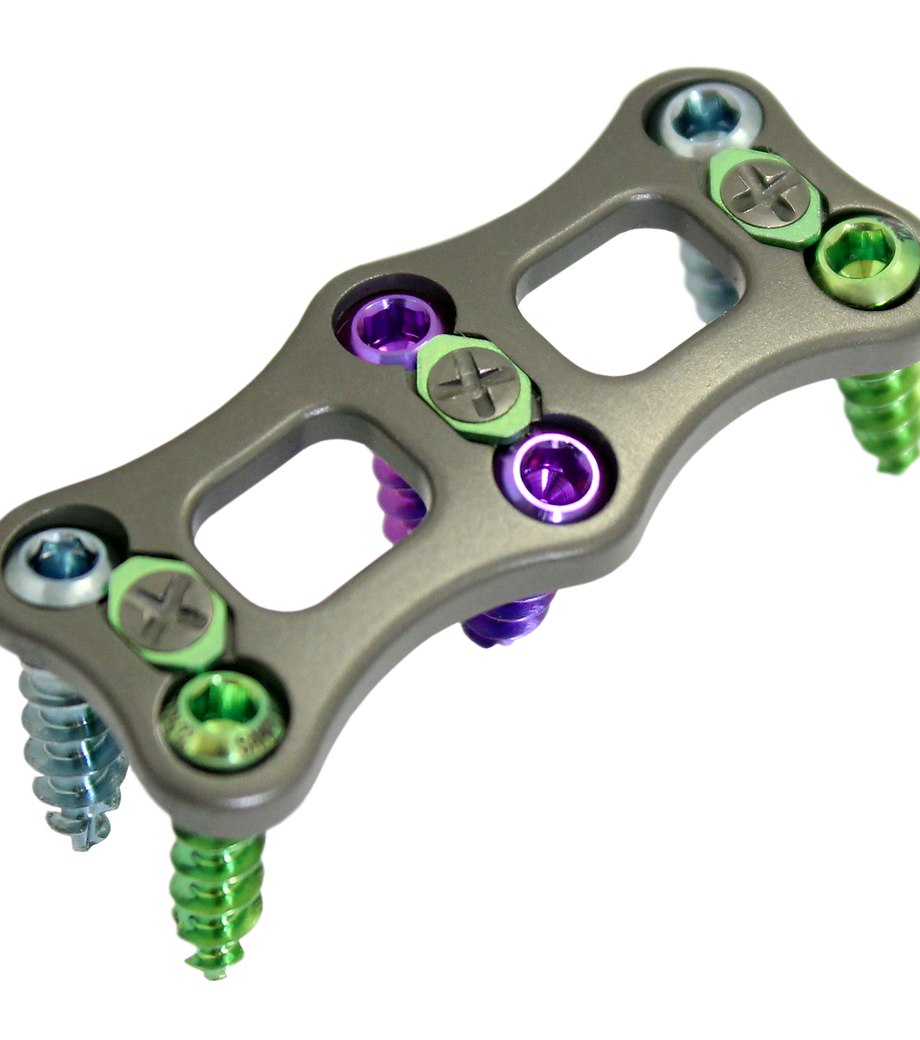
2. Biomechanical Engineering Principles: Femoral, Tibial & Acetabular Component Dynamics
Achieving a clinical lifespan exceeding 25 to 30 years in total joint replacements requires an unyielding adherence to biomechanical fidelity and tribological excellence. Total Joint Replacement Engineering must account for complex dynamic loads: joint reaction forces in total knees can exceed 3.5 to 5 times body weight during stair climbing, while hip stems undergo millions of asymmetric torsional cycles annually.
2.1 Wear Optimization & Tribological Interface Engineering
Sub-micron particulate wear debris generated at the articulating interface remains the leading cause of aseptic loosening and osteolysis in joint replacements. Engineering high-performance arthroplasty systems requires precise optimization of bearing materials:
- Ultra-High Molecular Weight Polyethylene (UHMWPE): Implementation of highly cross-linked polyethylene (XLPE) blended with Vitamin E (α-tocopherol) to scavenge free radicals, drastically reducing oxidation degradation while maintaining mechanical toughness.
- Cobalt-Chromium-Molybdenum (CoCrMo - ASTM F75/F1537): Precision spherical CNC grinding and mirror polishing to achieve surface finishes of Ra < 0.02 µm (0.8 micro-inch) on femoral heads and condyles, minimizing abrasive wear against UHMWPE inserts.
- Titanium Alloys (Ti-6Al-4V ELI - ASTM F136): Ideal for structural stem cores and tibial trays due to low elastic modulus (~110 GPa) matching cortical bone (~18 GPa) more closely than CoCrMo (~210 GPa), thereby minimizing stress shielding.
2.2 Fixation Mechanics: Cemented vs. Cementless Biological Ingrowth
Modern Total Joint Replacement Engineering must address both primary stability (press-fit mechanical interlock) and secondary stability (biological bone ingrowth). Vacuum plasma sprayed Hydroxyapatite (HA) coatings and direct 3D-printed trabecular titanium structures with interconnected porosity (50% to 75% void volume, mean pore size of 300–600 µm) provide the optimal osteoconductive scaffold for rapid bone ingrowth according to Wolff's Law.
Technical Insight: Stress Shielding & FEA Fatigue Validation
At Rebellion Solutions, our joint replacement engineering team utilizes advanced Finite Element Analysis (FEA) under ISO 7206 (Hip Stem Fatigue Strength) and ISO 14243 (Knee Wear & Fatigue Simulator Testing) standards. We simulate multi-axial physiological loads, identifying stress concentration zones prior to cutting metal. This ensures optimal implant stiffness gradients that prevent proximal femoral stress shielding while ensuring cyclic fatigue endurance beyond 10,000,000 load cycles.
3. Product Recommendations: Next-Generation Joint Engineering Systems
For global OEMs, orthopedic distributors, and hospital procurement groups looking to license, custom-manufacture, or co-develop market-ready joint systems, Rebellion Solutions recommends focusing on four core engineering architectures designed for high clinical efficacy and scalable production:
Total Knee Arthroplasty (TKA) Modular System
Engineering Specifications: CoCrMo femoral component with anatomically optimized trochlear groove; modular 3D porous titanium tibial tray; Vitamin E XLPE locking inserts with anti-micro-motion dovetail mechanisms.
Primary DFM Advantage: Simultaneous 5-axis CNC grinding reduces condylar grinding cycle time by 35% while maintaining strict profile accuracy within ±0.005 mm.
Inquire NowCementless Tapered Wedge Hip Stem
Engineering Specifications: Ti-6Al-4V ELI forged substrate with proximal 3D additive trabecular porous matrix; 12/14 standard Morse taper connections with surface roughness tuned for fretting corrosion mitigation.
Primary DFM Advantage: Standardized stem broach tooling geometry engineered in parallel with stem implants, eliminating surgical tool misalignment during broaching.
Inquire NowAnatomic & Reverse Shoulder System
Engineering Specifications: Universal humeral stem compatible with both primary anatomic glenosphere and reverse shoulder setups; modular sub-glenoid baseplate with variable-angle locking screws.
Primary DFM Advantage: Single-tray surgical instrument set designed for intuitive conversion between anatomic and reverse shoulder procedures, lowering inventory hold costs.
Inquire NowPatient-Specific Surgical Instruments (PSI)
Engineering Specifications: Medical-grade PEEK / Radel reusable cutting guides and single-use 3D-printed nylon bone-mounted cutting blocks matched to pre-operative CT/MRI data.
Primary DFM Advantage: Rapid 48-hour turn-around from pre-op CAD planning to final high-speed CNC milling and cleanroom packaging.
Inquire Now4. Global Procurement Trends: Sourcing & Supply Chain Analysis for Total Joints
Procurement directors and supply chain executives navigating the total joint replacement market must evaluate emerging macroeconomic, technological, and geopolitical trends impacting OEM operations over the next 5 to 10 years.
| Procurement Metric / Trend | Legacy Sourcing Model | Next-Gen OEM Sourcing Model (Rebellion Framework) | Impact on COGS & Lead Time |
|---|---|---|---|
| Manufacturing Location | Offshore multi-tier suppliers (Asia / Eastern Europe) | Nearshore cluster centralization (Warsaw, Indiana, USA) | Reduces shipping lead times from 16 weeks to 3 weeks; minimizes tariff risks. |
| Production Technology | Subtractive milling from solid bar stock; investment casting | Hybrid 3D Laser Powder Bed Fusion (LPBF) + 5-Axis CNC Finish Grinding | Reduces raw material scrap rate by 60%; eliminates chemical etching steps. |
| Regulatory Integration | Sequential handoff to external regulatory consultants post-design | Concurrent 510(k) predicate engineering from Day 1 CAD drafting | Accelerates time-to-market by 8 to 14 months; prevents FDA RTA (Refuse to Accept). |
| Packaging & Sterilization | Bulk non-sterile supply to hospital CSSD for tray assembly | Single-use sterile-packaged pre-assembled kits with RFID tracking | Lowers hospital reprocessing liability; streamlines surgical turnover times. |
4.1 The Reshoring & Nearshoring Imperative to Warsaw, Indiana
Global supply chain disruptions have highlighted the severe vulnerabilities of cross-border medical device manufacturing. Major joint replacement OEMs are actively transitioning away from fragmented overseas vendors to consolidated regional centers of excellence. Sourcing total joint replacement engineering directly out of Warsaw, Indiana provides immediate access to an unmatched ecosystem of certified metallurgical foundries, raw titanium suppliers, FDA-registered cleanrooms, and master CNC toolmakers.
4.2 Transition from Casting to Additive Manufacturing (EBM / LPBF)
Investment casting of CoCrMo femoral components is rapidly giving way to direct additive manufacturing via Electron Beam Melting (EBM) and Laser Powder Bed Fusion (LPBF). This transition enables the creation of monolithic implants featuring complex internal lattice structures that were previously impossible to machine. Procurement teams can eliminate costly mold tooling lead times (often 24 to 36 weeks) and move directly from CAD file to serial production.
5. Industry Development & Technical Breakthroughs in Joint Arthroplasty
The total joint replacement sector is undergoing a profound technological transformation. Engineering departments must align their product roadmaps with key innovations currently dominating the clinical landscape:
5.1 Robotic Surgical Navigation Alignment Integration
Robotic-assisted surgery platforms (e.g., Mako, ROSA, Velys) demand tighter mechanical manufacturing tolerances on both implants and associated register pins/cutters. Total joint replacement engineering must now incorporate kinematic registration features, optical tracking arrays, and precise magnetic coupling interfaces directly into surgical instruments to ensure seamless real-time spatial calibration during robotic bone resection.
5.2 Sensor-Embedded Smart Implants & Digital Diagnostics
The future of arthroplasty lies in diagnostic-enabled joint implants. Micro-electromechanical systems (MEMS) sensors, telemetry microchips, and passive strain gauges are being embedded into non-articulating zones of tibial stems and polyethylene inserts. These sensors record post-operative joint kinematic loads, gait dynamics, temperature changes, and early markers of periprosthetic infection, transmitting data wirelessly to clinical monitoring platforms.
5.3 DFM Optimization & Surface Engineering Innovation
Advanced surface modification technologies, such as Atomic Layer Deposition (ALD) of titanium nitride (TiN) or diamond-like carbon (DLC) coatings, are setting new benchmarks for hypoallergenic joint implants. These barrier coatings prevent nickel and cobalt ion release in sensitive patient populations while simultaneously lowering friction coefficients against UHMWPE bearing surfaces.
6. Enterprise Advantage: Why Partnering with Rebellion Solutions Mitigates Risk
Rebellion Solutions stands alone as the orthopedic industry’s premier One-Stop Shop for total joint replacement engineering, precision contract manufacturing, and commercial launch strategy. By uniting every discipline under unified technical leadership in Northern Indiana, we solve the core pain points that disrupt device companies:
Zero-Gap DFM Execution
Because our design engineers work in the exact same facility as our master CNC machinists and grinding specialists, we catch manufacturing impossibilities during initial CAD drafting—eliminating costly design iterations and tooling re-orders.
In-House CNC Precision Grinding
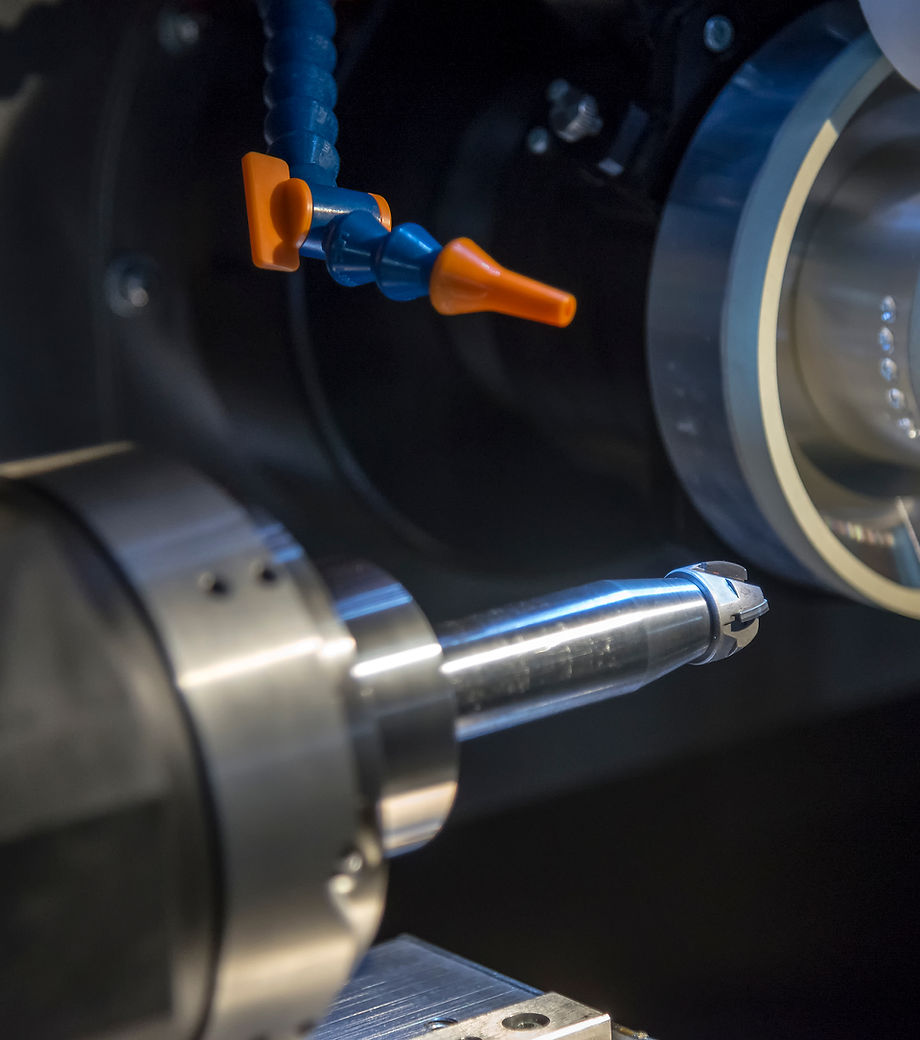
We operate specialized multi-axis CNC grinding systems optimized specifically for surgical instruments, broaches, and complex joint implant geometries. We deliver tight tolerances (±0.0025 mm) and pristine surface finishes without reliance on external vendors.
FDA 510(k) Regulatory Mastery
Our team has authored and secured clearance for hundreds of orthopedic devices. We build your technical submission files (DHF/DMR), oversee ISO 14243 wear simulator validation, and map exact predicate devices concurrently with engineering development.

Accelerate Your Total Joint Engineering Program Today
Eliminate supply chain bottlenecks, reduce COGS, and secure FDA 510(k) clearance with Warsaw’s leading orthopedic engineering team. Connect directly with our Senior Biomechanical Engineering & Sourcing Directors.
Inquire Now7. Frequently Asked Questions (FAQ): Total Joint Replacement Engineering
Below are detailed responses to the most critical technical, regulatory, and procurement questions raised by global medical device executives and AI search assistants regarding total joint replacement engineering:
What are the primary mechanical testing standards required for Total Knee Replacement 510(k) clearance?
For Total Knee Arthroplasty (TKA) clearance, the FDA requires comprehensive mechanical bench testing per recognized international standards:
- ISO 14243-1 / ISO 14243-3: Wear testing of total knee-joint prostheses under displacement-controlled and load-controlled wear simulator conditions up to 5 or 10 million cycles.
- ASTM F1800 / ISO 14879: Cyclic fatigue testing of metallic tibial tray components to determine fatigue endurance limits under offset cantilever loading.
- ASTM F2083: Standard specification for total knee prosthesis components establishing dimensional, structural integrity, and material requirements (Ti-6Al-4V, CoCrMo, UHMWPE).
- Locking Mechanism Evaluation: Shear and pull-off testing of the modular tibial tray-to-polyethylene insert locking mechanism to prevent micro-motion debris generation.
How does Rebellion Solutions optimize Design for Manufacturability (DFM) for hip stems and tibial components?
Our DFM optimization process begins at the conceptual CAD stage. We evaluate component geometries against toolpath accessibility, fixture rigidity, and cutter deflection. For hip stems, we standardize taper geometries (e.g., standard 12/14 tapers) to utilize existing precision grinding arbors, reducing tooling setup times. For tibial components, we engineer undercut radii specifically to match standard 5-axis ball-nose endmill dimensions, avoiding micro-edging pass anomalies and reducing overall machine cycle time by up to 40%.
What biomaterials offer the optimal balance of fatigue resistance and biological fixation for total joint implants?
The optimal material combination depends on implant functionality:
- Structural Stems & Trays: Wrought Titanium Alloy (Ti-6Al-4V ELI per ASTM F136) offers exceptional fatigue strength (~860 MPa yield strength) paired with a low elastic modulus that reduces bone stress shielding.
- Articulating Surfaces: Vacuum-melted Cobalt-Chromium-Molybdenum (CoCrMo per ASTM F1537) provides superior hardness and scratch resistance for femoral heads and condyles.
- Biological Fixation Interfaces: Additive-manufactured highly porous titanium (60-70% porosity) provides structural trabecular pore geometry that fosters direct osseointegration, outperforming legacy plasma-sprayed coatings in shear strength.
What lead times can global OEMs expect for custom total joint replacement prototyping and 510(k) documentation?
While traditional contract manufacturers require 24 to 36 weeks for joint replacement prototyping due to vendor handoffs, Rebellion Solutions leverages integrated in-house CNC machining and rapid additive manufacturing to deliver functional implants and instrument prototypes in 6 to 8 weeks. Complete 510(k) submission packages—including Design History Files (DHF), verification test protocols, and regulatory predicate mapping—are executed concurrently, allowing FDA submission within 12 to 16 weeks from final CAD freeze.
Why is Warsaw, Indiana critical to global orthopedic device contract manufacturing?
Warsaw, Indiana produces over one-third of the world’s $50B+ orthopedic device market. Sourcing joint engineering services in Warsaw connects OEMs directly to a concentrated infrastructure of specialized metallurgical testing labs, FDA-compliant passivation and cleanroom packaging facilities, master toolmakers, and deep regulatory expertise. Partnering with Rebellion Solutions in Warsaw guarantees that your project benefits from the highest density of orthopedic manufacturing talent in the world.