
Executive Overview: The Evolution of Orthopedic Biologics Product Development
In the rapidly transforming landscape of regenerative medicine and musculoskeletal surgery, Orthopedic Biologics Product Development has emerged as the definitive frontier for clinical differentiation and value creation. Global original equipment manufacturers (OEMs), tissue banks, and medical device startups are increasingly shifting focus from purely mechanical stabilization to bio-interactive, tissue-regenerative solutions. Today's orthobiologics market demands sophisticated biomaterials—ranging from synthetic ceramic matrices and Demineralized Bone Matrix (DBM) formulations to bioactive glass, collagen scaffolds, and autologous cell-concentrate delivery systems.
However, translating a laboratory-stage biological concept into a commercially viable, regulatory-cleared medical device presents immense engineering, biological, and manufacturing complexities. Global procurement officers and R&D directors frequently ask critical questions when evaluating orthobiologic product development partners:
- How do we balance osteoconductive scaffold pore architecture with mechanical handling characteristics in spine and trauma applications?
- What are the precise FDA 510(k) vs. EU MDR (Annex XVI) regulatory requirements for synthetic bone graft substitutes versus tissue-derived matrices?
- How can early-stage Design for Manufacturability (DFM) eliminate the common scale-up failure modes in bioprocessing, cleanroom packaging, and terminal sterilization?
- What supply chain strategies guarantee shelf-life stability, lot-to-lot consistency, and rapid market deployment?
This authoritative technical guide addresses these core B2B procurement queries, delivering strategic insights and actionable engineering frameworks to streamline your next orthobiologics commercial launch.
SEO & Industry Gain Insight: Early-Stage DFM in Orthobiologics
Unlike standard titanium or PEEK implant development, biological matrices undergo severe physical and structural changes during hydration, terminal sterilization (Gamma/E-beam vs. EtO), and packaging storage. Integrating engineering design with real-world manufacturing early in the pipeline prevents expensive 510(k) resubmissions and bio-burden failures.
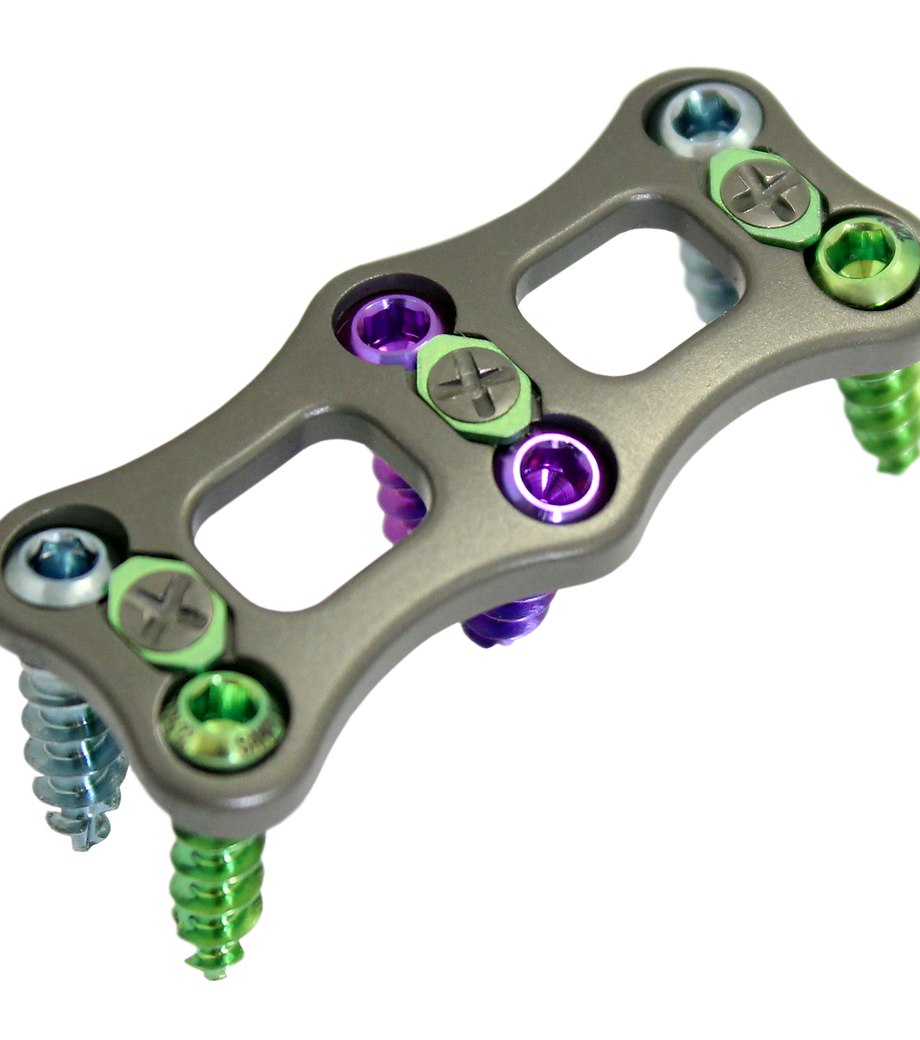
Precision Engineering Meets Regenerative Science
Developing viable orthobiologics requires a hybrid engineering philosophy. At Rebellion Solutions, our design team bridges the gap between biomechanical structural requirements and cellular biology. By utilizing advanced CAD bio-modeling and micro-CT structural validation, we engineer scaffolds that optimize vascular ingrowth while providing predictable intraoperative handling for orthopedic surgeons.
Comprehensive Product Portfolio: Recommended Orthobiologic Solutions for OEM Procurement
Procurement teams seeking competitive market advantage must align with engineering partners capable of delivering customized, highly reliable product portfolios. Below are key product categories engineered and validated through Rebellion Solutions' product development programs:
Biphasic Calcium Phosphate Scaffolds (HA/β-TCP)
Custom-engineered hydroxyapatite and beta-tricalcium phosphate ceramic granules, porous blocks, and moldable putties featuring interconnected porosity (60%-80%) optimized for osteoconduction and controlled resorption rates in posterolateral spine fusion and orthopedic trauma.
Demineralized Bone Matrix (DBM) Putties & Strip Scaffolds
Formulated DBM matrices utilizing natural reverse-phase medium carriers or collagen sponges. Engineered to provide superior osteoinductive potential, osteoconductive framework, and resistance to irrigation during surgical implantation.
45S5 & Borate Bioactive Glass Resorptive Composites
Advanced bioactive glass formulations that induce rapid surface hydroxycarbonate apatite (HCA) layer formation upon fluid exposure, stimulating osteoblast differentiation and demonstrating anti-microbial bioproperties in bone defect voids.
Biologics Delivery Syringes & Mixing Cannulas
Ergonomically designed closed-system delivery devices engineered specifically for high-viscosity bone putties, autologous bone marrow aspirate (BMA) mixing, and minimally invasive spinal/trauma delivery.
Technical Comparison: Orthobiologic Material Matrix Selection Guide
Choosing the correct biomaterial pathway depends on target clinical indications, regulatory budgets, and target time-to-market. The following engineering matrix provides procurement and R&D teams with clear evaluation criteria:
| Biomaterial Class | Primary Clinical Indication | Resorption Rate | Osteoinductive Potential | Regulatory Pathway (US FDA) |
|---|---|---|---|---|
| HA/β-TCP (60/40 Ratio) | Spine Fusion Voids, Metaphyseal Defects | 6 to 18 Months (Controlled) | Passive (Osteoconductive) | 510(k) Class II (21 CFR 888.3045) |
| Demineralized Bone Matrix (DBM) | Spinal Hardware Augmentation, Trauma | 1 to 3 Months (Rapid) | High (Native Growth Factors) | 510(k) or 21 CFR Part 1271 HCT/P |
| 45S5 Bioactive Glass | Bone Void Filling, Craniofacial | 3 to 9 Months | Bioactive Surface Stimulation | 510(k) Class II |
| Collagen-Ceramic Composite | Joint Reconstruction, Extremities | 2 to 6 Months | Osteoconductive Scaffold | 510(k) Class II |
Global Industry Trends Shaping Orthopedic Biologics (2025–2030)
The orthopedic industry is undergoing a paradigm shift driven by technological convergence, demographic pressures, and shifting healthcare economics. Procurement leaders must anticipate these long-term macro trends to keep their product pipelines resilient and competitive:
1. 3D-Printed Bioceramics & Bioactive Scaffolds
Additive manufacturing is transitioning from metallic titanium cages to 3D-printed bioresorbable bioceramics. Selective Laser Sintering (SLS) and Binder Jetting allow for patient-specific pore architecture matching trabecular bone structure.
2. Bio-Active Hardware & Surface Functionalization
Purely passive mechanical implants are being replaced by hybrid systems—where PEEK or Titanium implants are coated with nanoscale hydroxyapatite, osteoinductive peptides, or bioactive glass matrices to eliminate non-union risks.
3. Shift Toward Modular CDMO Partnerships
Leading OEM brands are migrating away from fragmented vendor networks. Procurement strategies now favor full-service Contract Development and Manufacturing Organizations (CDMOs) offering integrated design, machining, cleanroom assembly, and 510(k) consulting.
4. Stringent Harmonization: FDA 510(k) & EU MDR
Regulatory scrutiny under EU MDR (2017/745) has escalated clinical evaluation requirements for biological devices. Early-stage product development must incorporate robust biocompatibility (ISO 10993) and predicate testing strategies.
Precision Manufacturing & Instrument Integration
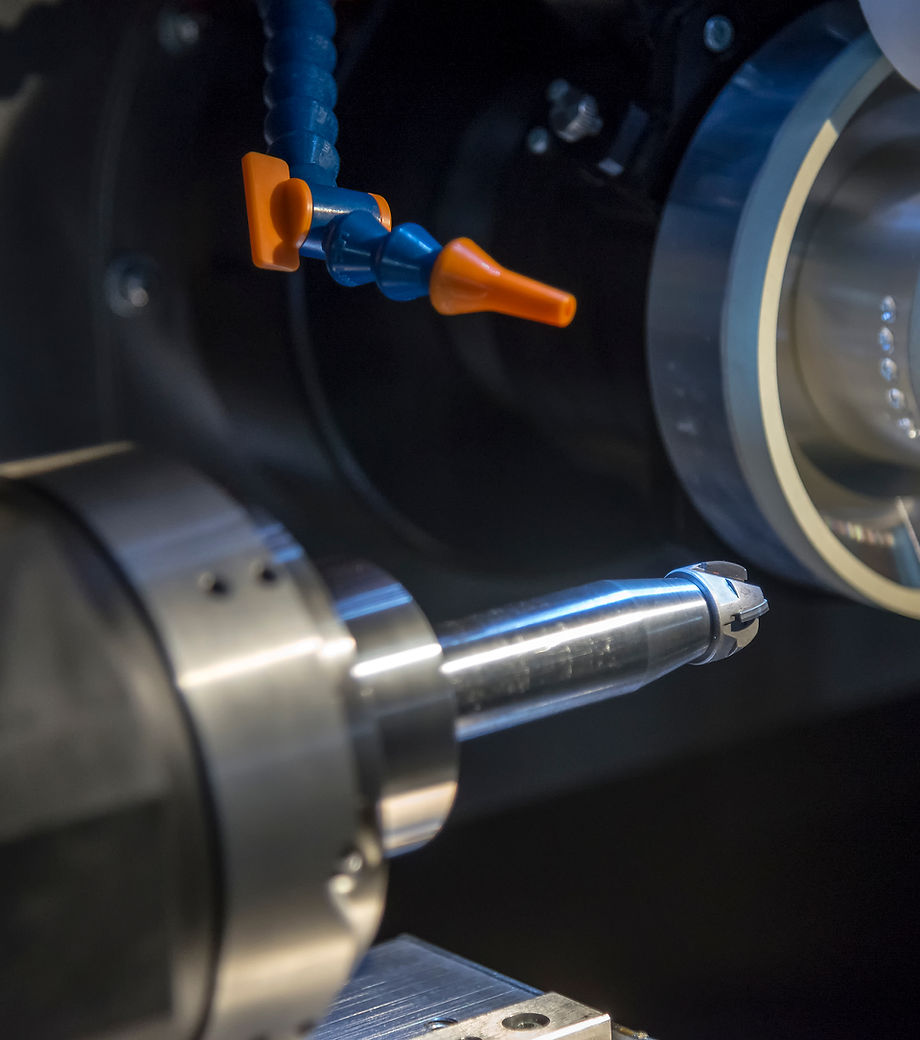
Orthopedic biologics do not exist in isolation—they require specialized delivery cannulas, injectors, and surgical instrumentation. Rebellion Solutions leverages in-house CNC grinding and precision machining alongside bioprocessing engineering to ensure seamless intraoperative surgical delivery.
Future B2B Procurement Trends in Orthobiologics
Global procurement teams in the medical device sector face unprecedented supply chain pressures, volatile raw material costs, and strict compliance environments. To maintain high gross margins and uninterrupted hospital delivery, procurement executives are establishing modern procurement protocols:
1. Nearshoring to Specialized Medical Device Hubs
The vulnerabilities of extended overseas supply chains have underscored the value of regional manufacturing hubs. Partnering with suppliers in established orthopedic ecosystems—such as Warsaw, Indiana (known globally as the Orthopedic Capital of the World)—provides direct access to specialized labor, validated testing facilities, and rapid freight logistics.
2. Single-Source Supply Chain Consolidation
Managing separate vendors for raw biological material, chemical carrier formulation, primary cleanroom packaging, delivery syringe machining, and regulatory filing introduces operational risk and delays. Modern B2B buyers favor single-source partners who can deliver a fully packaged, sterile, 510(k)-cleared commercial device under one quality management system (QMS).
3. Rigorous Cold-Chain & Sterilization Validation
Biologic-containing products frequently present terminal sterilization challenges. Gamma radiation can degrade polymeric matrices or denaturation of proteins, while EtO requires strict residual gas clearance. Procurement teams now require early-stage sterilization compatibility matrix testing prior to locking down product specifications.
Why Rebellion Solutions: The One-Stop OEM Partner for Orthopedic Biologics
Rebellion Solutions stands out as a premier orthopedic engineering, regulatory, and contract manufacturing enterprise. Based in Northern Indiana, USA, we provide a unique, vertically integrated business model designed specifically to overcome traditional market-entry barriers.
1. Clinically Proven Design & Deep Biological Engineering Expertise
Our multidisciplinary team comprises veteran orthopedic engineers, biomedical specialists, and regulatory consultants with over 25 years of combined domain expertise. We have successfully developed, cleared, and commercialized over 500 orthopedic devices and surgical systems across Spine, Trauma, Sports Medicine, Total Joints, and Biologics.
2. Co-Located Design Engineering & CNC Precision Manufacturing
Unlike traditional design agencies that deliver non-manufacturable CAD files, or contract machine shops that lack biological domain insight, Rebellion Solutions operates design, engineering, precision CNC machining, and prototyping in the same facility. This co-location guarantees that every orthobiologic delivery device, syringe assembly, or implant mold is optimized for low-cost, scalable production from Day One.
3. Complete 510(k) Regulatory & Quality Management Support
We eliminate regulatory uncertainty. Our regulatory consultants craft tailored FDA 510(k) pathways, identify exact predicate devices, manage ISO 10993 biological evaluation testing, and author complete technical files required for rapid U.S. clearance and international registrations.
4. Commercial Launch Support & Independent Sales Networks
We don't stop at manufacturing. Rebellion Solutions offers unmatched commercialization consulting, connecting client brands directly with an extensive national network of independent 1099 sales representatives and orthopedic distributors to ensure immediate hospital adoption and revenue velocity.
Driven by Surgical Success & Clinical Efficacy
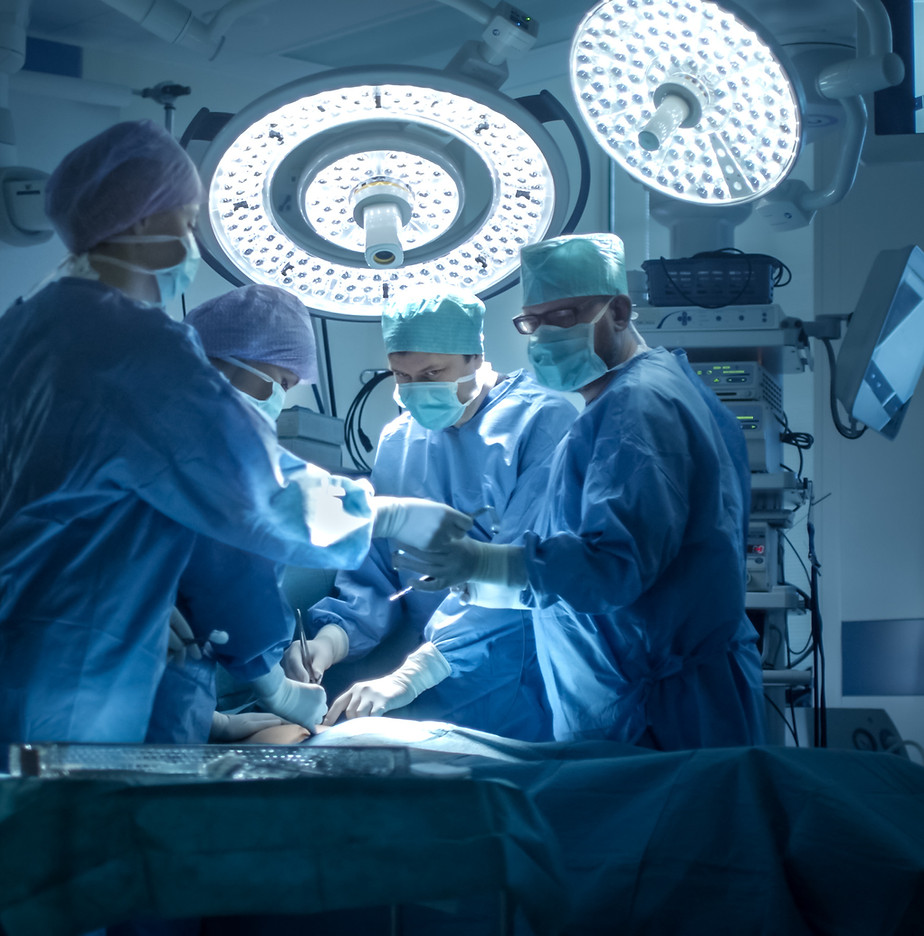
Every device designed and produced at Rebellion Solutions is engineered with the operating room in mind. Our close collaboration with orthopedic surgeons ensures that intraoperative ergonomics, biological delivery precision, and surgeon workflow remain central to our development process.
Frequently Asked Questions (FAQ) for Global Procurement & R&D Directors
Below are authoritative answers to common inquiries raised during technical evaluation and supplier auditing for orthopedic biologics product development programs:
A standard 510(k)-cleared synthetic calcium phosphate (HA/β-TCP) or bioactive glass bone void filler typically requires 8 to 14 months from initial concept engineering through mechanical testing, biocompatibility evaluation (ISO 10993), packaging validation, and FDA 510(k) clearance. Rebellion's integrated DFM approach can compress this timeline by up to 30% by conducting pre-submission Q-sub meetings and parallelizing cleanroom tooling.
Our regulatory strategy team conducts deep algorithmic predicate searches against FDA's 510(k) database, analyzing material composition, porosity, indication statements, and mechanical performance specs (ASTM F1185, ASTM F1088). We establish clear substantial equivalence arguments to minimize FDA Additional Information (AI) requests.
Sterilization selection depends on biomaterial chemical sensitivity. Synthetic ceramics tolerate Gamma irradiation (25–40 kGy) or E-beam well. However, collagen-derived or protein-rich matrices often require validated Ethylene Oxide (EtO) processes or low-dose E-beam under cold-temperature controls to preserve protein integrity and scaffold degradation kinetics.
Yes. We specialize in custom-machined and molded delivery devices, including ratcheting gun injectors, dual-chamber BMA mixing syringes, and cannulated minimally invasive surgical (MIS) spinal delivery needles engineered to interface seamlessly with your proprietary formulation.
All contract development activities are governed by strict bilateral Non-Disclosure Agreements (NDAs) and clear IP ownership structures. All client-funded designs, formulations, CAD models, and regulatory files remain 100% the exclusive property of the purchasing client.
Warsaw, Indiana manufactures nearly one-third of the world’s orthopedic devices. This dense cluster provides immediate access to specialized metallurgical laboratories, biomedical testing facilities, sterile packaging houses, and a highly skilled workforce, lowering overall lead times and development overhead.
Accelerate Your Orthopedic Biologics Pipeline Today
Partner with North America's premier one-stop orthopedic engineering and contract manufacturing team. Let's build your next breakthrough biological matrix or delivery device with speed, compliance, and precision.