
Strategic Sourcing & Engineering Blueprint
Sports Medicine Device Manufacturing: OEM Sourcing, Precision Engineering & Regulatory Clearance
A comprehensive strategic guide for global procurement leaders, OEM executives, and clinical engineers evaluating sports medicine device contract manufacturing, DFM protocols, material selection, and 510(k) clearance pathways.
The Paradigm Shift in Sports Medicine Device Manufacturing
The global sports medicine market is undergoing an unprecedented transformation. Driven by an aging yet active global population, increased incidence of ligament tears (ACL/MCL), rotator cuff injuries, and a rapid shift toward outpatient Ambulatory Surgical Centers (ASCs), the demand for high-precision, minimally invasive soft tissue repair devices is at an all-time high. However, global procurement officers and OEM sourcing directors face severe headwinds: supply chain fragmentation, escalating material compliance standards (such as EU MDR and FDA 510(k) predicate enforcement), and strict manufacturability bottlenecks when moving from CAD concepts to scaled commercial volume.
In Sports Medicine Device Manufacturing, success requires more than generic CNC machining. Soft tissue fixation implants—such as suture anchors, interference screws, and meniscus repair devices—utilize complex geometries, ultra-high molecular weight polyethylene (UHMWPE) sutures, non-absorbable PEEK (Polyetheretherketone), titanium alloys (Ti-6Al-4V ELI), and bioresorbable polymers (PLDLA/β-TCP). Manufacturing these implants demands sub-micron machining tolerances, specialized thread form grinding, micro-deburring, and flawless surface finishing to ensure biocompatibility and immediate fixation torque.
Traditional medical device outsourcing breaks the value chain into distinct, isolated silos: an independent design firm creates the CAD, a machine shop cuts prototypes, an offshore vendor handles mass assembly, and a regulatory firm writes the 510(k). This fragmented approach creates costly Design for Manufacturability (DFM) mismatches, leading to non-conformance reports (NCRs), delayed validation cycles (IQ/OQ/PQ), and average market launch delays of 12 to 18 months. Co-locating engineering design, CNC precision grinding, and 510(k) regulatory consulting inside a single Warsaw, Indiana facility mitigates supply chain risk and drastically reduces unit manufacturing cost (COGS).
Engineered Product Solutions & Manufacturing Portfolio
Rebellion Solutions manufactures full-system solutions across shoulder, knee, hip, and small joint soft tissue repair applications. Below is an overview of core product lines engineered to meet stringent mechanical and biological performance metrics.
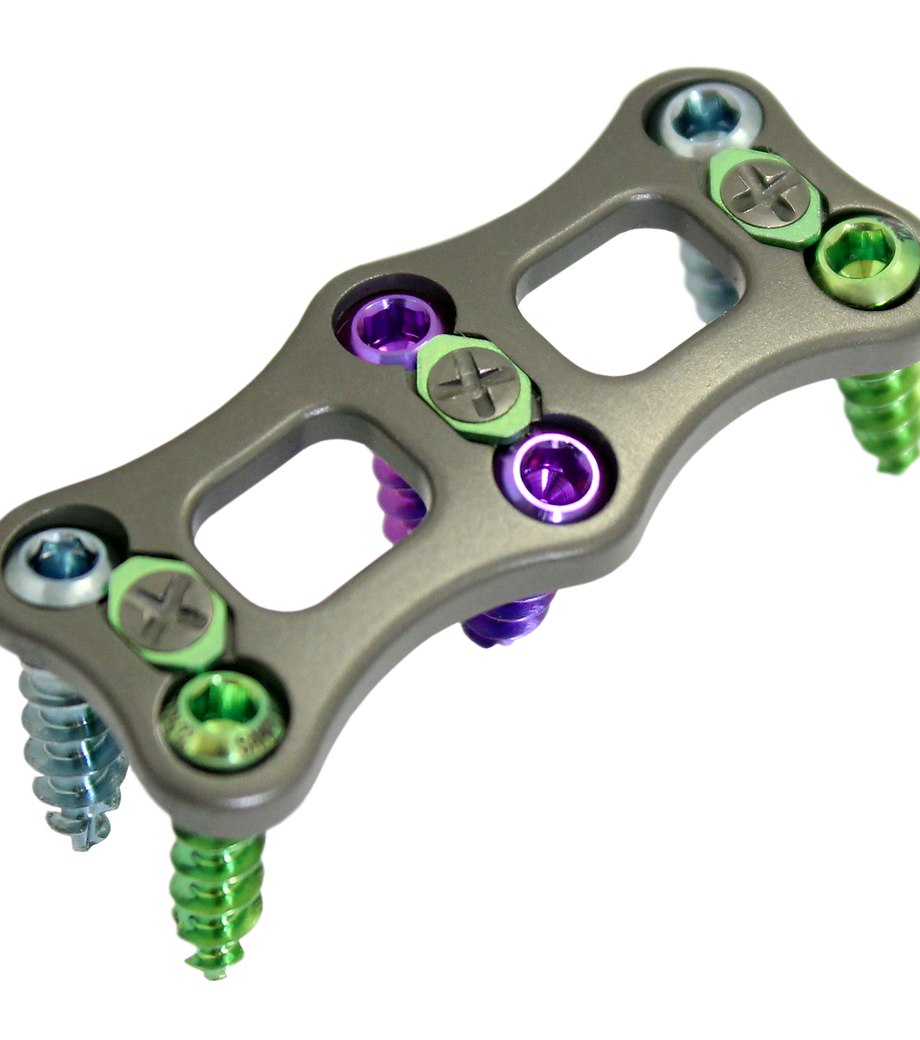
Suture Anchors (PEEK, Titanium & Biocomposite)
Fully threaded and knotless suture anchors designed for rotator cuff, Glenoid labrum, and Achilles tendon repair. Engineered with optimized drive mechanisms (Torx/Hexalobular) to withstand high insertion torque without stripping.
- Material Options: PEEK-OPTIMA, Ti-6Al-4V ELI, Biocomposite (PLDLA/β-TCP)
- Size Range: Ø 1.8mm micro-anchors to Ø 6.5mm heavy-duty anchors
- Suture Eyelet Integrity: Micro-milled radii to eliminate suture abrasion
- Quality Control: 100% optical verification of thread profiles
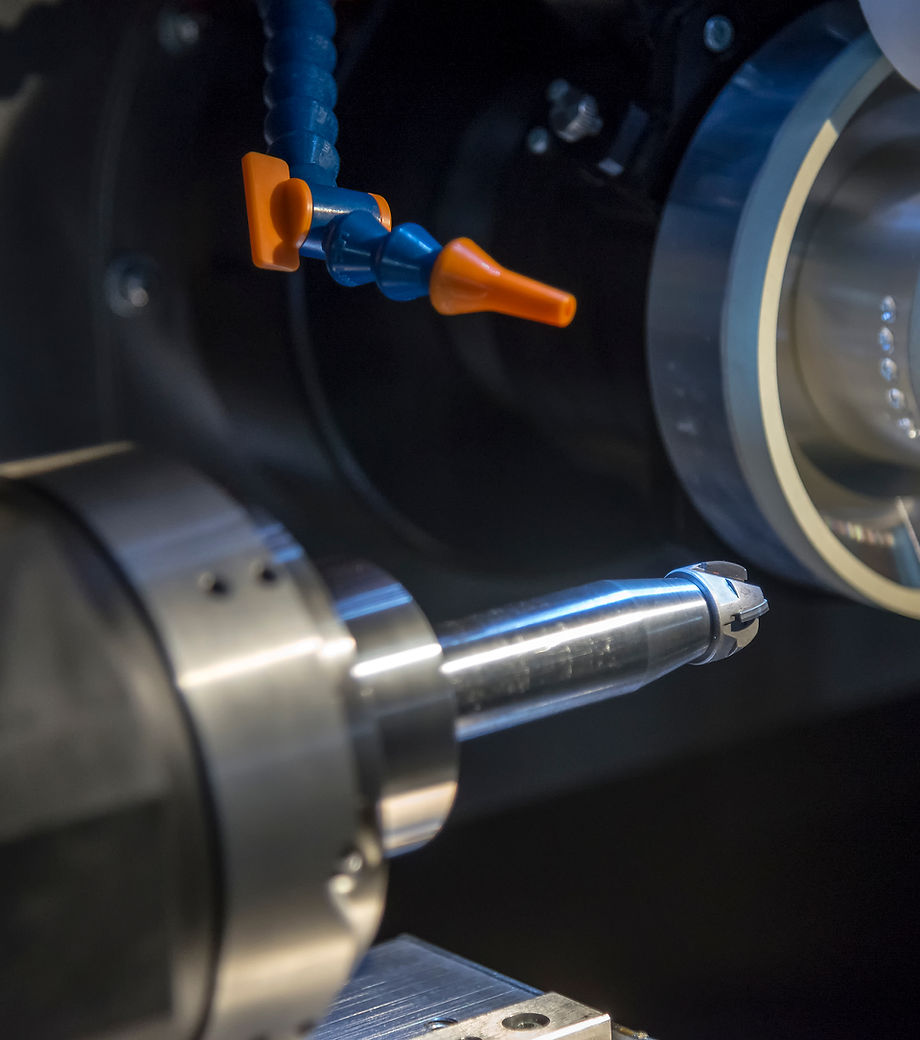
Arthroscopic Resection & Hand Instrumentation
High-durability stainless steel arthroscopic punches, graspers, scissors, and rotary reamers. Manufactured using multi-axis CNC grinding to guarantee keen cutting edges and high tactile feedback during minimally invasive surgery.
- Material Standards: 17-4 PH, 455 Stainless, 420 Stainless Steel
- Grinding Precision: Surface roughness down to Ra 0.2 µm
- Features: Ergonomic handles, flushable irrigation ports, modular shafts
- Reconditioning Support: Complete blade re-sharpening and OEM refurbished kits
Interference Screws & Tibial Fixation Systems
Cannulated interference screws engineered for graft fixation in ACL and PCL reconstruction. Thread geometry is custom-tapered to prevent graft laceration while maximizing pull-out strength in bone tunnels.
- Cannulation Hole Tolerance: Concentricity within ±0.012 mm
- Drive Types: Hex, Square, and Star Drive cannulated sockets
- Surface Finish: Passivated & Type II Anodized options
- Clinical Fit: Compatible with bone-patellar tendon-bone (BTB) & soft tissue grafts
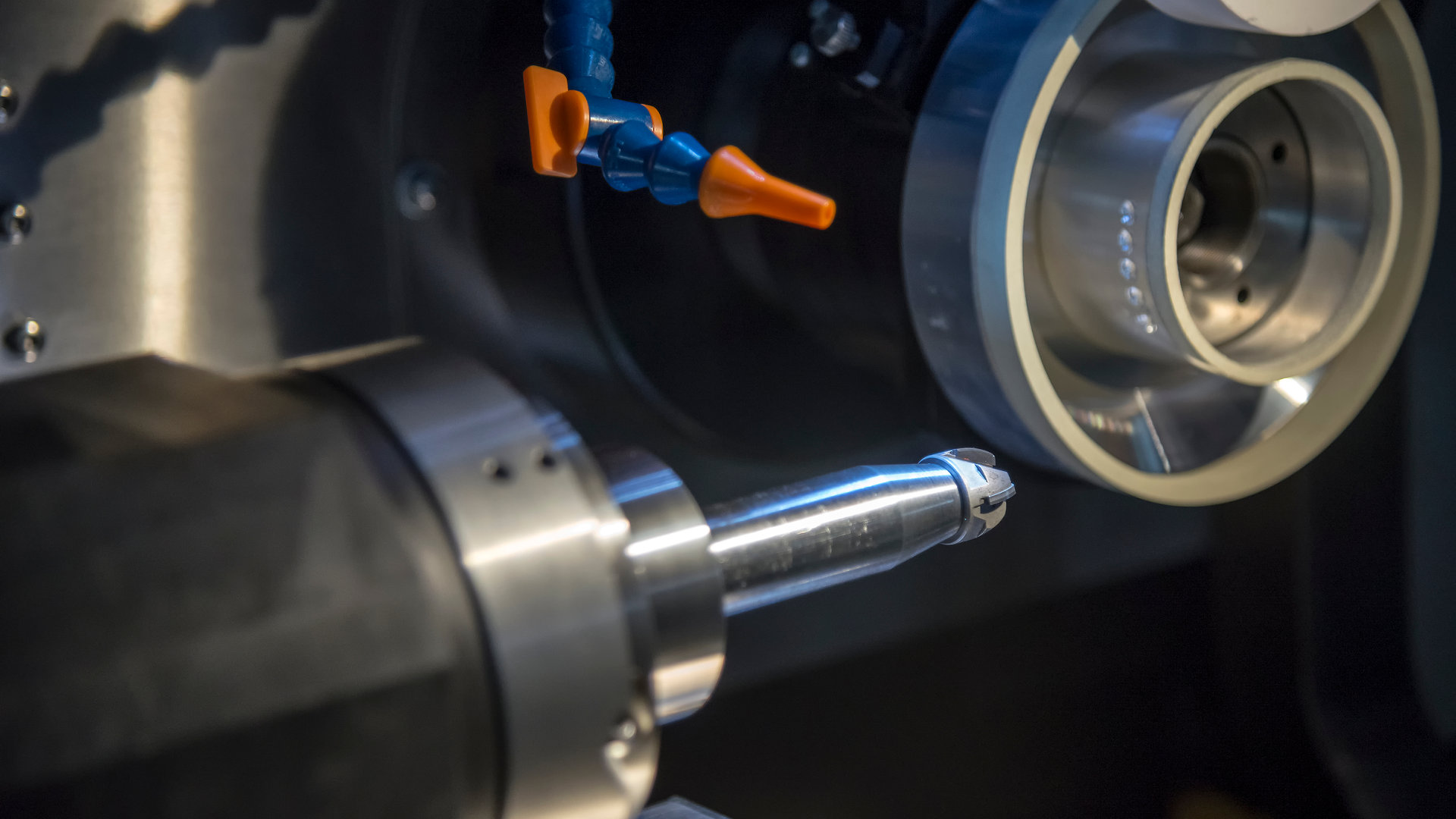
Custom Drilling Kits & Cannulated Drill Bits
Precision-ground surgical drills, nitinol guide wires, and bone rasps engineered specifically for joint restoration procedures. Ground on 5-axis CNC tool grinders to guarantee fast cutting speed and low thermal necrosis.
- Diameter Range: Ø 0.8mm to Ø 12.0mm custom lengths
- Flute Designs: Step drills, spade drills, parabolic flutes
- Depth Marking: Laser etched or color-coded depth rings
- Sterilization Readiness: Cleanroom packaged or bulk supply
Comparative Technical Specifications Matrix
Procurement teams require clear quantitative metrics to evaluate manufacturing capabilities. The table below outlines key technical boundaries maintained across our manufacturing line.
| Implant / Component Class | Primary Materials | Machining Capability | Tolerance Limits | Quality Verification |
|---|---|---|---|---|
| PEEK Suture Anchors | PEEK-OPTIMA / Invibio Grade | Swiss Lathe Milling & Micro-Thread CNC | ±0.005 mm | |
| Titanium Soft Tissue Screws | Ti-6Al-4V ELI (ASTM F136) | 5-Axis Turning & Thread Whirling | ±0.008 mm | |
| Arthroscopic Punches & Shears | 17-4 PH Stainless / 455 Stainless | Multi-Axis Precision CNC Grinding | ±0.0025 mm | |
| Cannulated Surgical Drills | Custom Stainless 420 / 440C | 5-Axis CNC Tool Grinding & Gun Drilling | ±0.005 mm Concentricity |
Global Sourcing & Procurement Trends in Sports Medicine (2025–2030)
As medical device original equipment manufacturers (OEMs) adjust their strategic supply chains, purchasing executives must align their procurement strategies with four macro-level trends reshaping the contract manufacturing landscape.
1. Nearshoring and Supply Chain Concentration in U.S. Medical Clusters
Geopolitical friction, tariff volatility, and freight delays have exposed vulnerabilities in long-distance offshore manufacturing. Global medical device brands are increasingly migrating high-margin sports medicine device programs back to established medical device technology clusters like Warsaw, Indiana. Known as the Orthopedic Capital of the World, Warsaw provides a concentrated ecosystem of metallurgists, specialized heat treaters, sterile packagers, and FDA regulatory experts. Sourcing directly within this hub dramatically reduces lead times for complex implant development from months to weeks.
2. Shift Toward Outpatient Ambulatory Surgical Centers (ASCs)
Surgeons are increasingly migrating soft tissue repair procedures—such as ACL reconstructions and rotator cuff repairs—from traditional hospital operating rooms to specialized ASCs. ASCs demand cost-efficient, single-use procedure kits featuring pre-sterilized instruments and pre-loaded suture anchors. Procurement leaders are pivoting away from heavy, capital-intensive sterilization trays toward streamlined, disposable kit packaging that minimizes hospital processing costs.
3. Demand for Integrated DFM (Design for Manufacturability) Early-Stage Engagement
Procuring raw components based on unvalidated CAD models is the leading cause of budget overruns in sports medicine launches. Modern buyers are demanding contract partners who offer early DFM intervention. By refining thread profiles, chamfers, wall thicknesses, and radius corners prior to tool release, contract manufacturers can eliminate up to 30% of unit production costs without compromising clinical efficacy or pull-out strength.
4. Regulatory Traceability & Material Compliance Integrity
Under both the FDA 21 CFR 820 Quality System Regulation (QSR) and European Union Medical Device Regulation (EU MDR 2017/745), traceability demands are stringent. Global procurement teams can no longer rely on suppliers offering basic mill certificates. Full material lot traceability, biocompatibility testing records (ISO 10993), raw material validation (ASTM standards), and process capability indexes (CpK ≥ 1.33) are mandatory pre-requisites for vendor selection.
Accelerate Your Sports Medicine Product Launch
Looking to reduce lead times, optimize unit manufacturing costs, or secure ISO 13485-certified contract manufacturing in Warsaw, Indiana?
Get CatalogTechnology & Clinical Innovation Trends in Sports Medicine
The sports medicine clinical environment demands products that promote faster tissue healing, reduce operative time, and minimize patient morbidity. Device manufacturers must keep pace with rapid innovations in material science and micro-manufacturing.
Bio-Integrative and Biocomposite Anchors
First-generation biocomposite anchors were prone to premature degradation or brittle fracture during insertion. Modern sports medicine manufacturing utilizes advanced formulations of Poly(L-lactide-co-D,L-lactide) (PLDLA) combined with micro-particulate Beta-Tricalcium Phosphate (β-TCP) or Hydroxyapatite (HA). These materials act as an osteoconductive scaffold, encouraging native bone ingress as the implant gradually resorbs. Precision temperature-controlled CNC milling is essential when machining these heat-sensitive polymers to prevent polymer chain degradation during cutter contact.
All-Suture Anchors & Micro-Fixation Technologies
To preserve native bone stock, especially in revision labral repairs and small joint procedures (wrist/ankle), surgeons are adopting soft, all-suture anchor systems. Manufacturing these devices requires high-precision suture braiding, ultra-fine laser cutting of UHMWPE sleeves, and micro-machined stainless steel insertion needles. The mechanical assembly demands strict cleanroom tension-testing protocols to ensure dependable deployment inside the joint space.
Ultra-Precision CNC Grinding for Arthroscopic Instruments
Traditional stamping or EDM (Electrical Discharge Machining) cutting methods leave micro-burrs and heat-affected zones (HAZ) on cutting instruments. Advanced 5-axis CNC grinding systems utilizing super-abrasive diamond and CBN (Cubic Boron Nitride) wheels deliver mirror-finished cutting edges on stainless steel punches and shavers. This precision prolongs instrument sharpness, reduces tissue scuffing during surgery, and extends the operational life of reusable hand instruments.
Did you know? A micro-burr as small as 15 microns on a suture anchor eyelet can cause premature suture fraying or intra-operative snapping under high tension loads. Advanced micro-deburring using automated high-volume tumble finishing and electrochemical polishing is crucial to safeguard suture integrity.
The Rebellion Solutions Advantage: End-to-End Synergy
Located in the heart of Northern Indiana's orthopedic manufacturing cluster, Rebellion Solutions provides an unparalleled ecosystem tailored specifically to sports medicine OEMs, emerging device brands, and clinical startup companies.
1. True One-Stop Integration
We eliminate the risk of managing separate design houses, machine shops, and regulatory consultancies. From initial CAD sketch and prototyping to CNC grinding, 510(k) clearance consulting, and commercial sales launch—everything is handled seamlessly under one roof.
2. Precision CNC & Micro-Grinding
Our state-of-the-art facility features multi-axis CNC grinding machines and high-precision Swiss lathes capable of machining tough implant alloys, PEEK polymers, and hardened stainless steels to sub-micron tolerances.
3. Clinically Proven DFM & Regulatory
Our engineering team works directly alongside certified medical device regulatory strategists. We optimize your designs for volume production while ensuring full compliance with FDA 510(k) predicate requirements and ISO 13485 quality standards.
By removing traditional supply chain intermediaries, Rebellion Solutions reduces time-to-market by up to 50%, protects client intellectual property (IP), and guarantees predictable, cost-competitive manufacturing from initial prototype to mass production.
Frequently Asked Questions (FAQ) for Procurement Managers
Global procurement teams and buyers frequently ask critical questions when sourcing sports medicine contract manufacturing services. Below are direct, technical answers provided by our engineering and regulatory directors.
Standard prototype development lead times range from 2 to 4 weeks depending on material availability (e.g., medical-grade PEEK-OPTIMA or Ti-6Al-4V ELI) and geometric complexity. Full production runs typically require 6 to 10 weeks, inclusive of post-processing, chemical passivation, laser marking, and final quality verification. Accelerated fast-track programs are available for rapid clinical trial validation.
PEEK is a high-performance thermoplastic prone to stress concentrations and thermal deformation if machined incorrectly. Our DFM protocol evaluates cutter engagement angles, chip clearance, wall thickness ratios, and internal radius geometries. We utilize specialized sharp-carbide tooling and high-pressure coolant delivery to maintain dimensional stability and eliminate internal stress cracks, ensuring maximum insertion torque resistance.
Yes. Rebellion Solutions offers dedicated Medical Device 510(k) Clearance Consulting. Our team conducts predicate device matching, prepares technical file documentation, formats risk management files (ISO 14971), oversees biomechanical pull-out and fatigue testing validation, and manages formal FDA eSTAR communications through final clearance.
Our quality management system operates in full compliance with ISO 13485:2016 certification and FDA 21 CFR Part 820 Quality System Regulations. All implants and instruments undergo rigorous inspection utilizing coordinate measuring machines (CMM), optical comparators, profilometers for surface finish verification, and non-destructive material testing.
PEEK anchors offer radiolucency (no artifacting on post-operative MRI/CT scans) and a elastic modulus close to cortical bone, reducing stress shielding. Titanium anchors provide superior pull-out strength in hard cortical bone and high resistance to insertion torque stripping. Our engineering team assists buyers in evaluating clinical intent, cost constraints, and regulatory pathways to choose the optimal material.
Yes. We offer complete turn-key solutions including UDI-compliant (Unique Device Identification) laser etching, surface color anodizing (Type II & III for titanium), passivation, custom kit assembly, and ISO Class 7 cleanroom packaging with sterile barrier validation (ISO 11607).
We accommodate flexible volume requirements. For initial clinical trials, design validation, or market seeding batches, MOQs can be as low as 25 to 50 units. For mature commercial products, our automated multi-axis CNC cells efficiently scale to thousands of units per month while maintaining strict unit price competitiveness.
Beyond manufacturing, Rebellion Solutions maintains an established network of independent orthopedic sales representatives (1099 agents) across North America. We assist device companies with commercialization strategy, surgeon education materials, sales launch scripts, and direct distribution channel setup, accelerating revenue generation post-510(k) clearance.
Partner with Northern Indiana’s Premier Sports Medicine Device Manufacturer
Stop settling for fragmented supply chains, unoptimized DFM designs, and delayed market launches. Work directly with Rebellion Solutions—where engineering design, precision CNC grinding, regulatory clearance, and commercial launch consultancies come together in Warsaw, Indiana.
Instant access to comprehensive product specifications, material verification sheets, and OEM sourcing options.