In the ultra-regulated orthopedic device ecosystem, the bridge between early CAD ideation and human clinical trials is fraught with hidden engineering friction. Orthopedic Prototype Manufacturing is no longer just about generating a physical shape; it is an rigorous validation protocol designed to prove biomechanical performance, material integrity, and repeatable manufacturability before committing millions of dollars to full-scale commercial production.
For global procurement specialists and R&D executives evaluating contract manufacturing partners, the challenge is clear: conventional prototype shops frequently lack clinical understanding, while large-scale medical contract manufacturers often relegate low-volume prototype builds to back-burner queues, leading to unacceptable lead times. At Rebellion Solutions, situated in Warsaw, Indiana—the undisputed Orthopedic Capital of the World—we eliminate this dynamic through co-located engineering and precision 5-axis CNC machining, ensuring your prototypes achieve zero-defect compliance from initial trial fitting to FDA 510(k) submission.
💡 Information Gain Perspective: The Cost of Prototype Friction
Data from global orthopedic OEM launches reveals that over 64% of design iteration delays stem from non-manufacturable geometries created in isolation from production machinery. When engineering and CNC grinding operate under separate vendor contracts, design for manufacturability (DFM) issues are often discovered during verification testing—costing up to $185,000 per delayed release cycle. Co-locating design engineering with prototype CNC production resolves tolerance stack-up errors before material is cut.
The Critical Pillars of Medical-Grade Orthopedic Prototyping
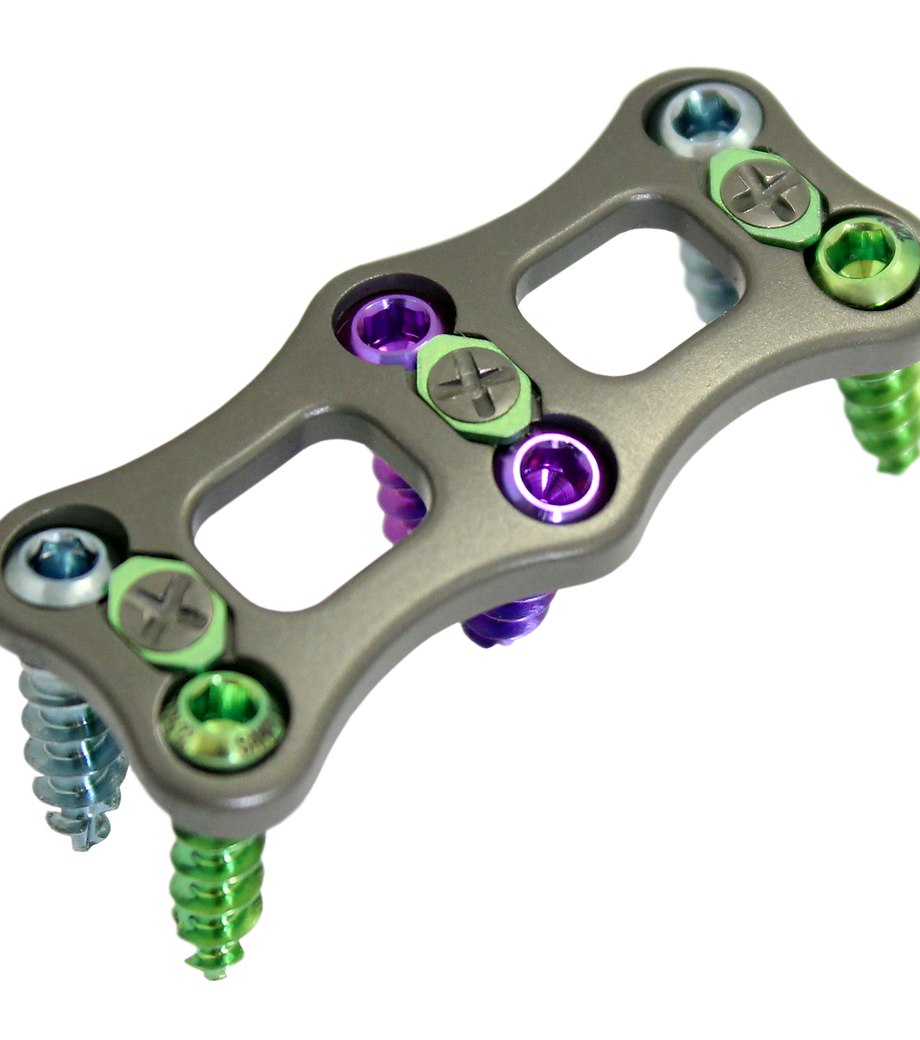
Prototyping implants and specialized surgical instruments requires specialized metallurgical knowledge, cleanroom handling capabilities, and tight process controls. Unlike standard industrial rapid prototyping, medical device prototypes must adhere strictly to material grade parameters such as ASTM F136 (Ti-6Al-4V ELI), ASTM F138 (316L Stainless Steel), ASTM F75 (CoCrMo), and PEEK-OPTIMA®.
01
Sub-Micron CNC Precision
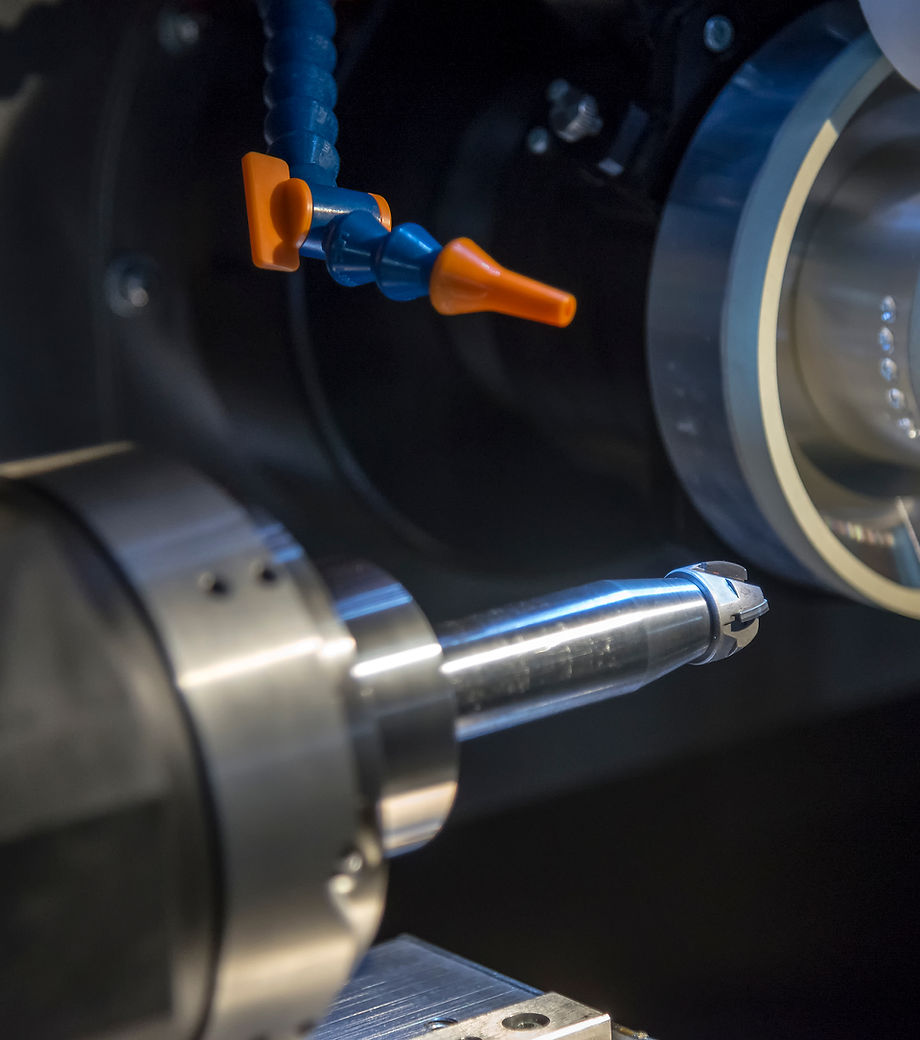
Utilizing high-rigidity Swiss lathes and 5-axis CNC grinding centers to achieve tight tolerances down to ±0.0025 mm on critical implant interface taper locks and articulating joint geometries.
02
Material Traceability & Biocompatibility
100% full material lot traceability with mill test certifications, ensuring zero cross-contamination during multi-axis machining, EDM wire cutting, and passivated surface finishing.
03
Clinical & Ergonomic Validation
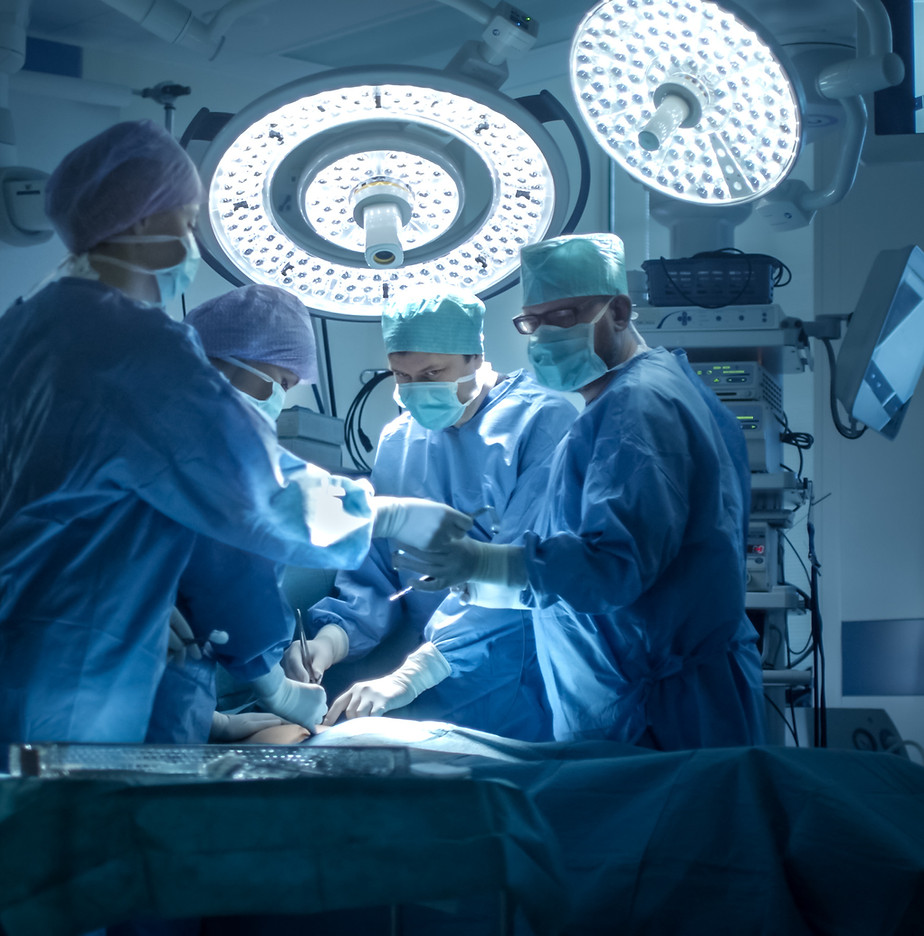
Rapid production of surgeon-centric trial instruments and tactile feedback models that match exact production weight, balance, and mechanical hand feel during cadaveric lab evaluations.
04
Integrated Regulatory Alignment
Prototypes fabricated under strict quality controls that align directly with your Device Master Record (DMR) and 510(k) design controls, reducing FDA regulatory query loops.
Accelerate Your Prototype Engineering Cycle
Speak directly with our Warsaw, IN engineering team to review your CAD files and DFM requirements under strict NDA.
Inquire Now