
Knowledge & Innovation

Orthopedic Device Insights & Industry News

Explore technical articles, regulatory clearance strategies, design trends, and manufacturing innovations from Rebellion Solutions.

0%

Orthopedic Trauma Implant Design matters because a fracture is not an abstract engineering problem. It is a broken bone, swollen tissue, and a patient who needs stable fixation without unnecessary complications. For buyers, design choices affect more than the implant’s shape. Plate contour, screw direction, instrument access, and compatibility with imaging can influence surgical workflow and clinical use. A system that looks efficient in a catalog may feel different in a crowded operating room.

Orthopedic trauma surgeon Dr. Peter Kloen is a recognized specialist in fracture care. Without a verifiable source for a direct quotation from him on implant design, it would be unreliable to present invented words as his. His clinical perspective can be fairly paraphrased: implant selection should fit the fracture pattern and the patient, not simply the product specification. That distinction matters. A low-profile plate may help in one anatomical location, while another case demands different fixation options. Buyers should examine evidence, material quality, instrument usability, and the range of sizes available. They should also ask how the design performs across varied fracture patterns, rather than relying on a single demonstration.

Details count. A screw that is difficult to place can add pressure during surgery. A poorly organized tray can slow the team. Still, design alone cannot guarantee an outcome; surgeon judgment, patient factors, and appropriate training remain essential. Buyers deserve clear evidence—and room to question polished claims.
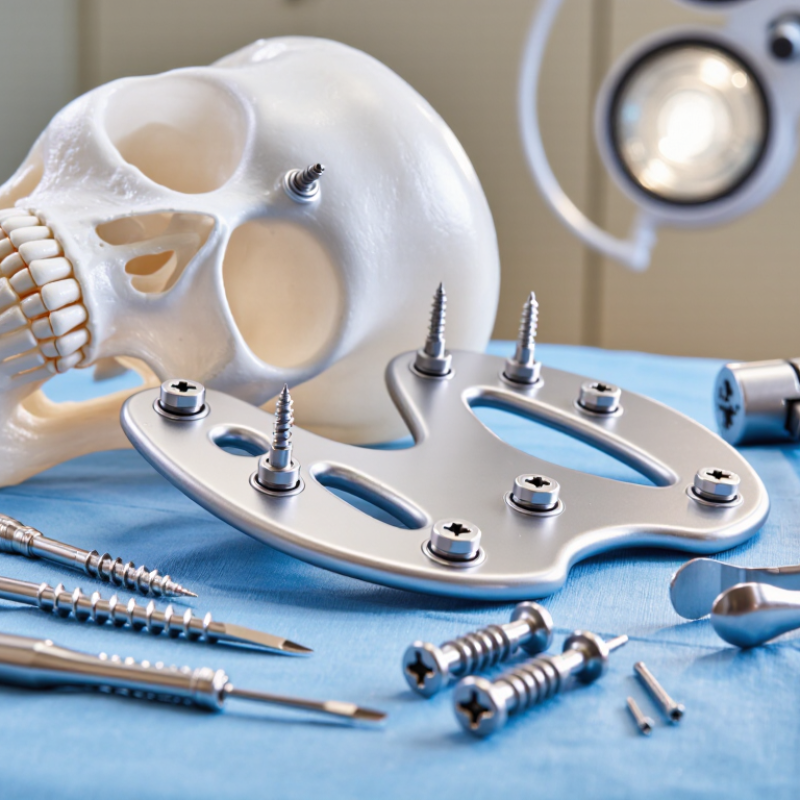
Why Orthopedic Trauma Implant Design Matters to Buyers?

Understanding Orthopedic Trauma Implants and Their Purpose

Orthopedic trauma implants are devices that help stabilize broken bones after injury. Plates sit along the bone, screws secure fragments, and intramedullary nails fit inside long bones. Their purpose is practical: maintain alignment while the body repairs the fracture. Some injuries need no implant, and the right approach depends on fracture pattern, bone quality, and the patient’s condition.

The scale of need is substantial. The 2019 Global Burden of Disease study estimated 178 million new fractures worldwide that year (GBD 2019 Fracture Collaborators, eClinicalMedicine, 2021). This figure covers fractures broadly, not only those treated with implants. Still, it helps explain why reliable fixation systems matter in trauma care. A displaced tibial fracture, for example, may require an implant that keeps fragments stable during daily movement and follow-up imaging.

For buyers, understanding purpose means looking beyond the device’s shape. Implant options differ in fixation method, sizing, material, and compatibility with surgical workflows. These details can affect inventory planning and clinicians’ choices. Fit is not a small detail. A system that works well for one fracture may not suit another, and product data alone cannot replace clinical judgment. Even a well-designed implant has limits; real-world outcomes also depend on injury severity, surgical technique, and healing.

How Implant Design Affects Fit, Stability, and Healing

Why Orthopedic Trauma Implant Design Matters to Buyers?

Implant design shapes how reliably a device fits bone, maintains alignment, and supports healing. A plate that follows a bone’s contour can reduce the need for intraoperative bending. Screw placement and locking options also affect fixation, especially in small fragments or weak bone. That detail matters. A design can look excellent on a drawing yet prove awkward around real anatomy; buyers should review evidence from varied fracture patterns, not just ideal cases.

The scale of need is substantial. The GBD 2019 Fracture Collaborators estimated 178 million new fractures worldwide in 2019. This figure does not predict implant demand directly, but it underscores why dependable fixation matters across diverse patients and injuries. Buyers can compare design features alongside clinical evidence on alignment, construct stability, complications, and healing. Results also depend on fracture severity, surgical technique, and patient biology—not the implant alone.

Tips: Ask for clear data on anatomical fit, screw options, and stability across relevant fracture types. Check how testing methods reflect clinical use. A neat feature is not proof of better healing; that distinction deserves a careful look.

Key Design Features Buyers Should Evaluate

Why Orthopedic Trauma Implant Design Matters to Buyers?

Buyers should examine design features before comparing prices. The 2023 WHO Global Status Report on Road Safety estimates 1.19 million annual road deaths worldwide. Many survivors require fracture fixation, often in difficult surgical settings. The 2023 National Trauma Data Bank Annual Report also records more than one million trauma encounters. Demand is substantial. Design decisions affect operating time, implant stability, and follow-up risk.

⚕

Start with geometry and fixation behavior. A plate should contour closely without forcing excessive bending. Screw holes must support controlled compression or angular stability. Locking threads should engage consistently, even through gloves and blood. Buyers should request fatigue testing, pullout data, and evidence aligned with ASTM F543. Material selection matters too. Titanium may reduce imaging artifacts, while stainless steel can offer different strength and cost profiles. Neither option is automatically superior.

Evaluate the complete system, not only the implant. Instrument handles should feel secure, with clear depth markings and predictable torque feedback. Trays need practical organization under urgent conditions. Ask for biocompatibility evidence under ISO 10993 and documented risk controls under ISO 14971. Sterilization compatibility and lot traceability deserve equal attention. A polished surface can look reassuring, yet appearance proves little. I would also question impressive laboratory results without clinical follow-up. No design is perfect. The honest buyer should examine failure modes, revision experience, and surgeon feedback before approval.

Balancing Surgical Needs, Patient Factors, and Practical Use

Orthopedic trauma implant design matters because buyers must balance surgical needs, patient factors, and practical use. The Global Burden of Disease 2019 study estimated 178 million new fractures worldwide in 2019. Road injuries alone cause 20–50 million nonfatal injuries yearly, according to the World Health Organization. These figures show why one implant philosophy cannot suit every fracture.

Surgeons need stable fixation, clear instrumentation, and predictable handling. A plate should fit the bone without forcing excessive contouring. Screws must provide purchase in poor bone, especially among older patients. A smaller incision may reduce tissue disruption, but it can also limit visibility. That trade-off deserves honest review.

Patient variability changes the buying decision. Bone density, fracture complexity, infection risk, and rehabilitation access all affect implant selection. Practical use matters too. Instruments should be easy to identify under pressure. Sterilization workflows must be straightforward. Hospitals also need reliable training and traceable clinical evidence, not impressive claims alone.

No implant wins every case. Overemphasizing versatility may hide compromises in difficult anatomy. Buyers should examine published clinical data, complication patterns, and surgeon experience. The AAOS emphasizes evidence-based care, yet real-world performance can differ from controlled studies. That gap needs attention. A thoughtful design supports the operation, the patient’s recovery, and the team’s daily reality.

Assessing Quality, Compatibility, and Long-Term Value

Orthopedic trauma implant design matters because buyers are weighing more than a product specification sheet. Quality starts with consistent materials, clear manufacturing controls, and reliable documentation. A plate’s holes, screw options, and contour should suit the intended fixation system. Fit matters. Even a small mismatch can complicate planning or require extra instruments in the operating room.

Compatibility deserves close review. Buyers can ask whether implants work with available instruments and whether sizing information is easy to interpret. Packaging and labeling matter, too; busy teams need to identify components quickly. A useful evaluation includes design drawings, material details, inspection records, and feedback from qualified clinical users. No single document proves performance in every case. That limitation is worth acknowledging.

Long-term value includes more than purchase price. Durability, inventory needs, training time, and dependable supply can affect total cost over years. A design that reduces unnecessary variation may simplify stocking, but standardization can also leave gaps for unusual cases. There is no perfect system. Buyers should compare evidence against their own clinical needs and review how the implant performs in routine workflows, not just demonstrations. Small details count. A clear size range or intuitive instrument connection may save time, while an unclear feature can create avoidable friction.

Why Orthopedic Trauma Implant Design Matters to Buyers

A material-property comparison relevant to quality, compatibility, and long-term value

Elastic modulus is a useful design consideration: titanium alloy is less stiff than 316L stainless steel, while implant performance also depends on geometry, fixation, and the intended application. Values are representative approximations; buyers should verify the exact alloy, product specifications, system compatibility, and applicable standards with the supplier.

FAQS

How does implant design influence bone fit?

A plate that follows bone contours may require less bending during surgery. Better fit can support alignment and reduce handling time. A clean drawing can still mislead.

Why do screw options matter in difficult fractures?

Screw positions and locking choices affect fixation, especially in small fragments or weak bone. Buyers should examine purchase strength across relevant fracture patterns. One option rarely suits every case.

Can a smaller incision improve the surgical experience?

It may reduce tissue disruption. However, limited visibility can make accurate placement more difficult. The trade-off deserves honest review.

Which patient factors should influence implant selection?

Bone density, fracture complexity, infection risk, and rehabilitation access all matter. Older patients may need stronger purchase in weaker bone. Biology remains unpredictable.

What evidence should buyers request before choosing an implant?

Request data on anatomical fit, alignment, stability, complications, and healing. Testing should resemble real clinical use. Attractive features are not proof.

Does one implant design work for every fracture?

No design wins every case. Versatility may hide compromises around unusual anatomy or severe fractures. Buyers should compare varied clinical situations.

How important are instruments and sterilization workflows?

Instruments should be easy to identify under pressure. Sterilization steps should be clear and repeatable. Small workflow problems can become large delays.

Why should buyers compare controlled studies with real-world experience?

Controlled studies may not reflect complex patients, difficult anatomy, or busy surgical settings. Surgeon experience and complication patterns add practical context. The gap needs attention.

Conclusion

Orthopedic Trauma Implant Design plays an important role in how well an implant fits the patient, supports the injured bone, and accommodates the healing process. Trauma implants are used to stabilize fractures, but their effectiveness depends on thoughtful choices in shape, size, material, and fixation. Buyers should consider features such as strength, anatomical fit, ease of placement, and compatibility with surgical instruments and related components.

Selecting an implant also requires balancing surgical needs with patient factors, including the fracture pattern and bone characteristics, as well as practical considerations for clinical use. Assessing manufacturing quality, compatibility, durability, and expected long-term value can help buyers make informed decisions. A suitable design should support reliable fracture stabilization while allowing surgeons to work efficiently and address the needs of different patients and procedures.

Isabella

Isabella

Isabella is a dedicated marketing professional with a deep-seated expertise in her company's diverse range of products and services. With a strong focus on creating impactful content, she regularly updates the company's professional blog, providing insights and analyses that enhance the......